
Last updated October 16, 2026
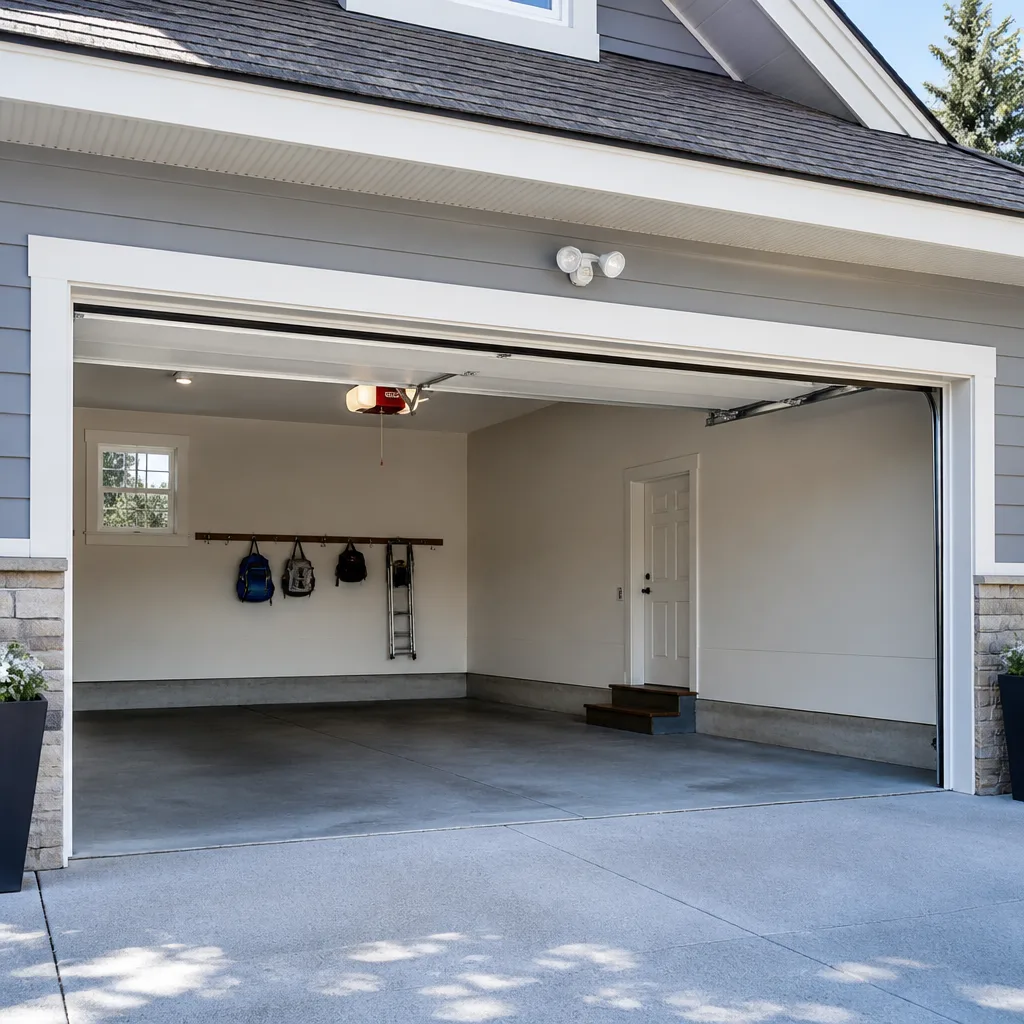
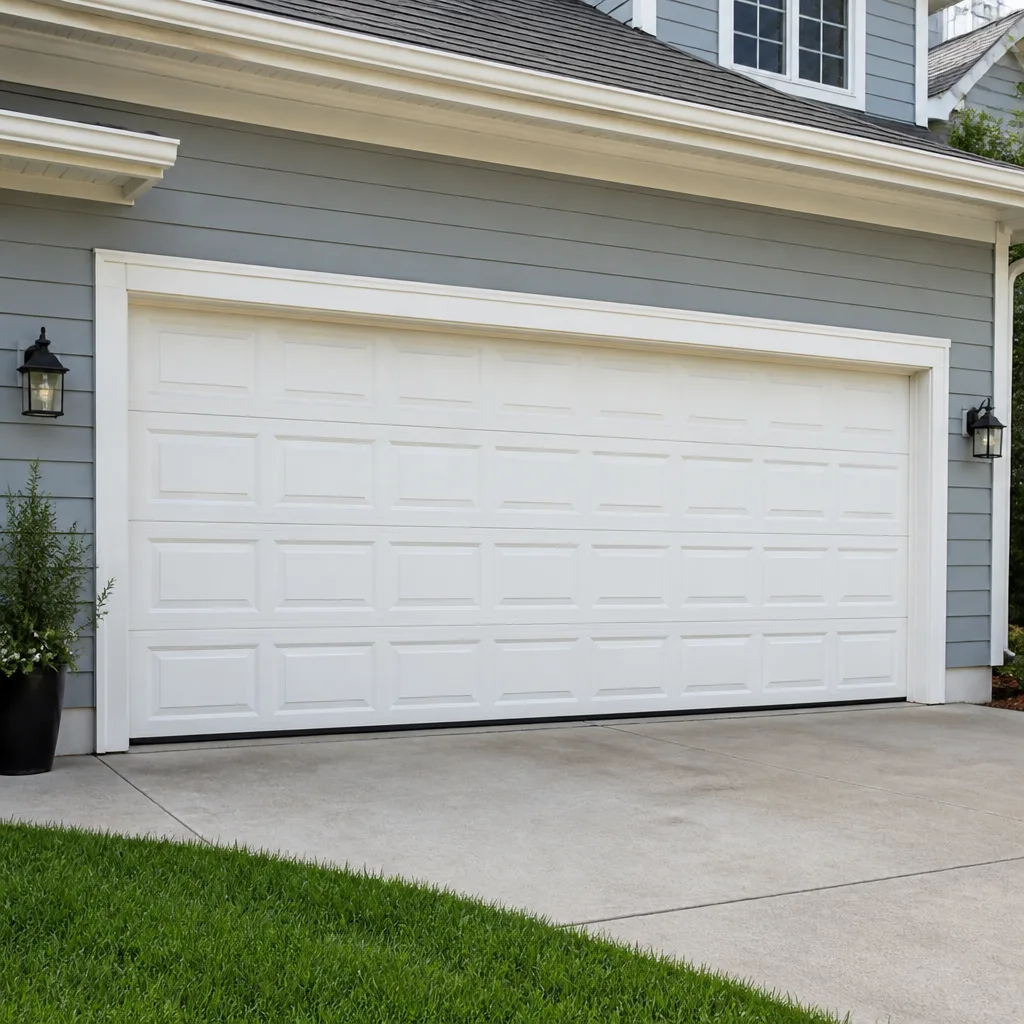 Raised-panel steel
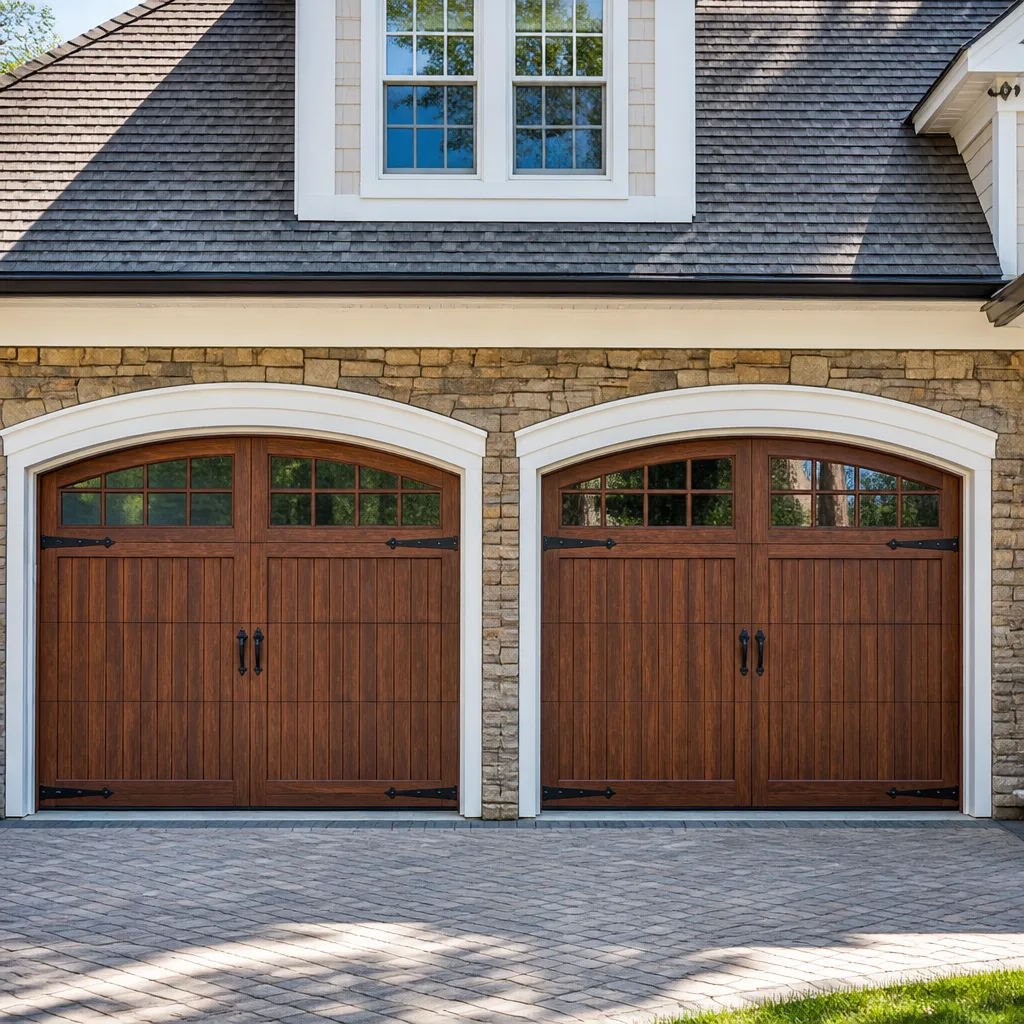 Carriage house
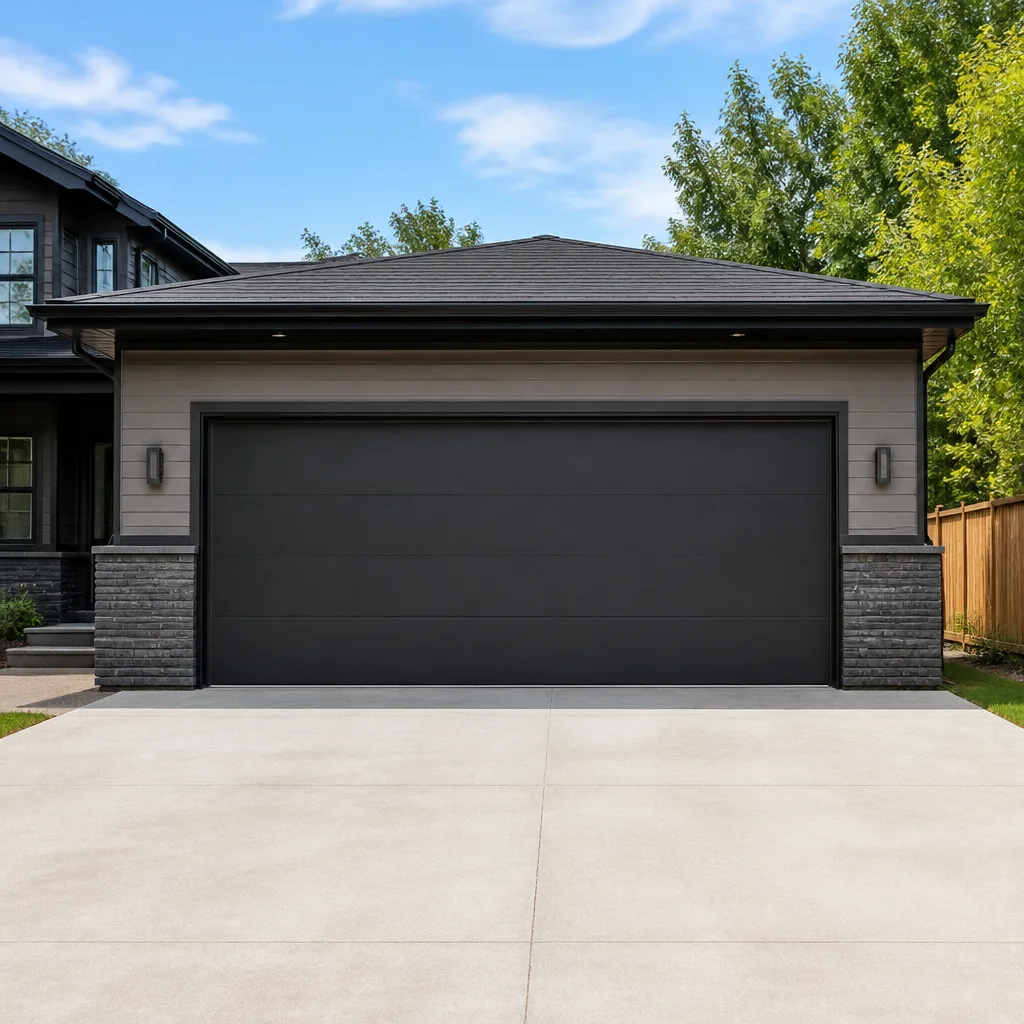 Modern flush
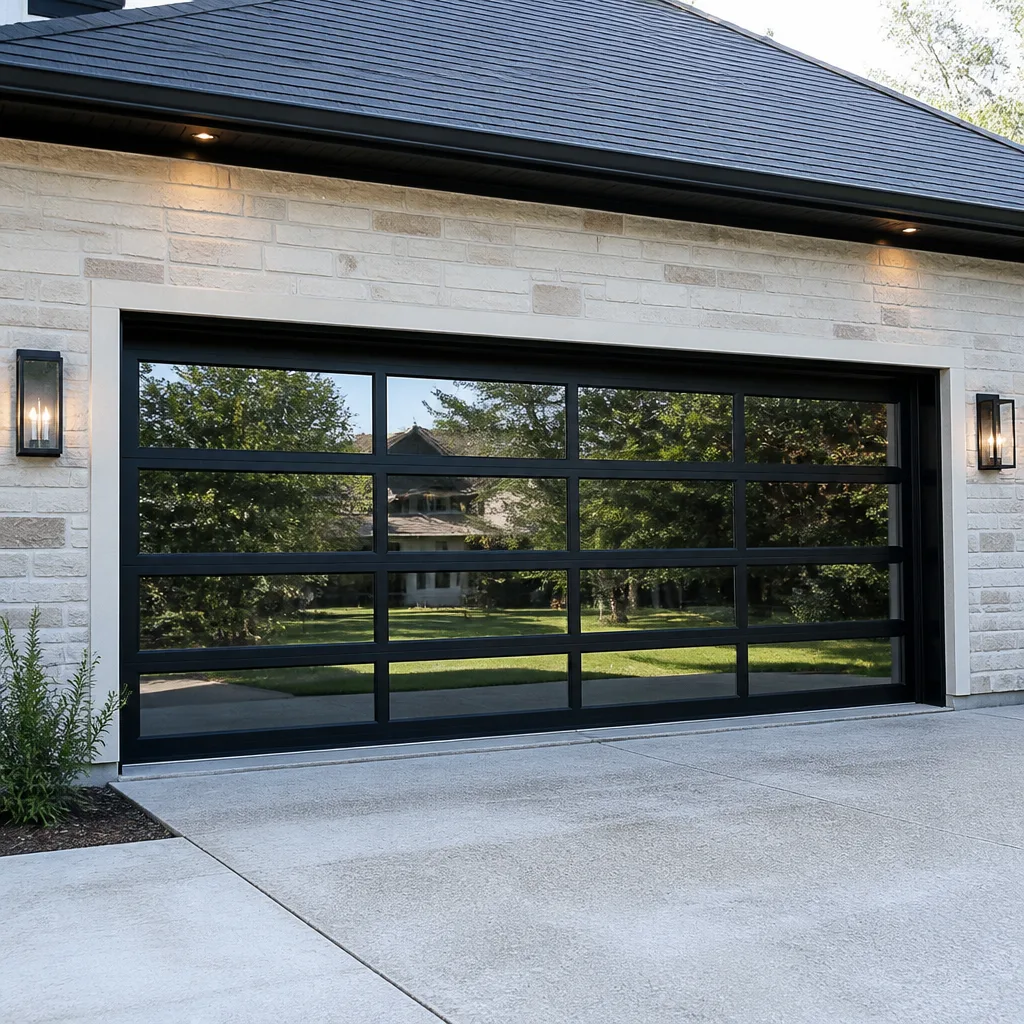 Full-view glass
 LiftMaster openers
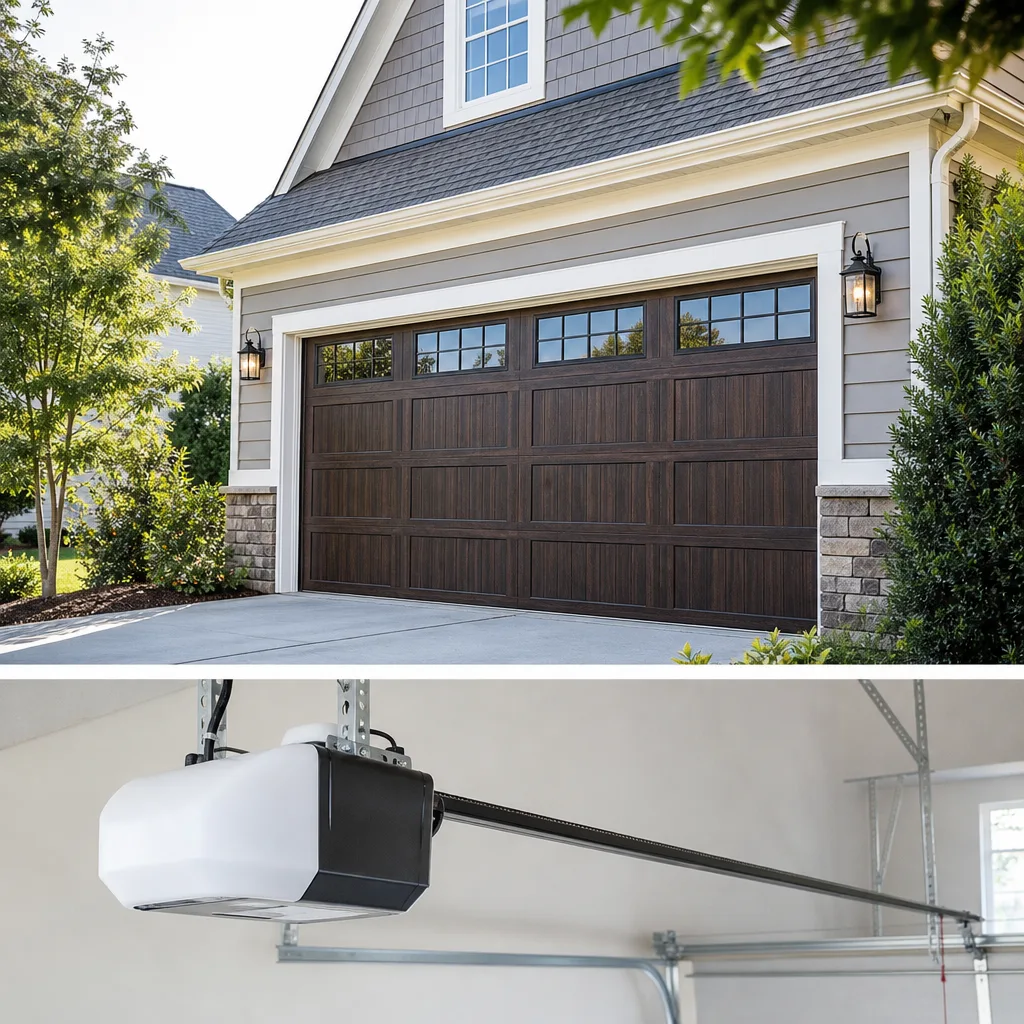 Chamberlain openers
Full 25-point door and opener safety check with every visit - springs, cables, rollers, tracks, and your LiftMaster or Chamberlain opener included
You get a price before we start. It does not change when the truck arrives.
Get your free estimateDIY vs Professional Garage Door: The Las Vegas Homeowner’s Decision Guide
Every year, somewhere in a Las Vegas garage, a homeowner looks at a broken spring and thinks, “How hard can it be?” A torsion spring is stored under several hundred pounds of torque. It doesn’t look dangerous because it isn’t moving. But the tool requirement for safe removal isn’t obvious from a video thumbnail: you need a pair of steel winding bars that seat fully inside the spring cone, not a screwdriver, not a pry bar. In Las Vegas, where July garage interiors hit 115°F before noon, the risk calculus shifts further. This guide walks through which garage door jobs a capable homeowner can tackle safely, which ones need a licensed technician, what each path actually costs in this market (see our Garage Door Cost Breakdown: The Las Vegas Homeowner’s Reference for 2026), and how Vegas heat and dust change the rules compared to a garage in Ohio.
Styles & brands we work with
Quick Answer
Routine maintenance like lubrication, weatherstrip replacement, photo-eye realignment, and remote reprogramming are reasonable DIY tasks for a careful Las Vegas homeowner (see our Garage Door Repair Maintenance Checklist for Las Vegas Homeowners). Anything involving torsion springs, lift cables, opener motor replacement, or track repair should go to a professional because the injury risk is high and the cost of correcting a failed DIY attempt usually exceeds the original repair quote. In Las Vegas specifically, summer heat adds a second layer of risk: metal parts hot enough to burn, sweaty hands on winding bars, and fatigue that sets in faster than most people expect. Call Bramwell Garage Doors Las Vegas at (725) 210-0201 for a written estimate so you know the professional cost before you decide which path makes sense.
Table of Contents
- What’s Reasonable to DIY on a Garage Door in Las Vegas
- What Needs a Professional, Every Time
- What Does DIY Actually Cost in Las Vegas?
- The Las Vegas Heat Factor: Why Timing Changes the DIY Math
- Warranty and Manufacturer Considerations: What Voiding Really Means
- Talking to a Technician After a DIY Attempt
- Common Mistakes to Avoid
- When to Call a Professional
- Frequently Asked Questions
- The Bottom Line
What’s Reasonable to DIY on a Garage Door in Las Vegas
There are four garage door tasks that a careful homeowner can do without special tools or a serious injury risk. These are the jobs where DIY saves real money and the failure mode is minor: the door still works, it just doesn’t work as well.
1. Lubrication
Las Vegas dust is finer and more abrasive than what most of the country deals with. It settles into the rollers, hinges, and the torsion spring coils, and it acts like sandpaper over time. A garage door in Summerlin or Henderson that runs dry will start to squeak, then bind. The fix is straightforward: a spray lubricant made for garage doors, applied twice a year, once in spring and once in fall. You’re lubricating the rollers, hinges, spring coils, and the bearing plates at both ends of the spring. What you’re not doing is using WD-40. WD-40 is a solvent, not a lubricant, and it will strip whatever grease is left. A lithium-based or silicone-based garage door lubricant costs about $10 to $15 at any hardware store in Las Vegas and takes 15 minutes.
2. Weatherstrip Replacement
The rubber seal along the bottom of the door gets brittle fast here. A Las Vegas summer can bake a bottom seal in two seasons. When it cracks, you get dust, heat, and occasionally scorpions coming in under the door. Replacing the bottom weatherstrip is a matter of sliding the old rubber out of its retainer channel and sliding in a new length. The material runs $20 to $30 for a 16-foot door. The side and top weatherstripping is also replaceable, but that requires partial disassembly of the door frame stops and is a half-step more involved. Most homeowners can do the bottom seal themselves; the side seals are where many people call a technician.
3. Photo-Eye Realignment
The photo eyes are the two small sensors mounted a few inches off the floor on each side of the door opening. When they’re misaligned, the door will start closing and then reverse as if something is in the way. In Las Vegas, this happens more often than you’d think because the brackets holding the eyes get bumped by bikes, trash cans, or car tires. Realigning them is usually a matter of loosening the bracket screw, turning the sensor until its indicator light goes solid, and tightening it back down. If both lights are steady and the door still reverses, the problem is likely a wiring issue or a failed sensor, and that’s when you call someone.
4. Remote and Keypad Reprogramming
New remote, new keypad code, or a dead remote battery is an easy fix. The programming sequence for a Bramwell Garage Doors Las Vegas home customer’s LiftMaster, Genie, Chamberlain, or Raynor opener is printed on the opener itself and clearly explained in the owner’s manual. Even without the manual, the learning process usually involves pressing the learn button on the opener unit and then pressing the remote button within 30 seconds. This takes five minutes and requires no tools.
The line that separates these four tasks from everything else is simple: if the part you’re touching is not under load, you’re probably okay. If it is, you aren’t.
What Needs a Professional, Every Time
Some garage door components are unforgiving. The injury they cause is sudden and severe, and in Las Vegas the nearest urgent care might be a 20-minute drive from your house in Inspirada or Providence. That’s not a position you want to be in because you tried to save $200.
Torsion Springs
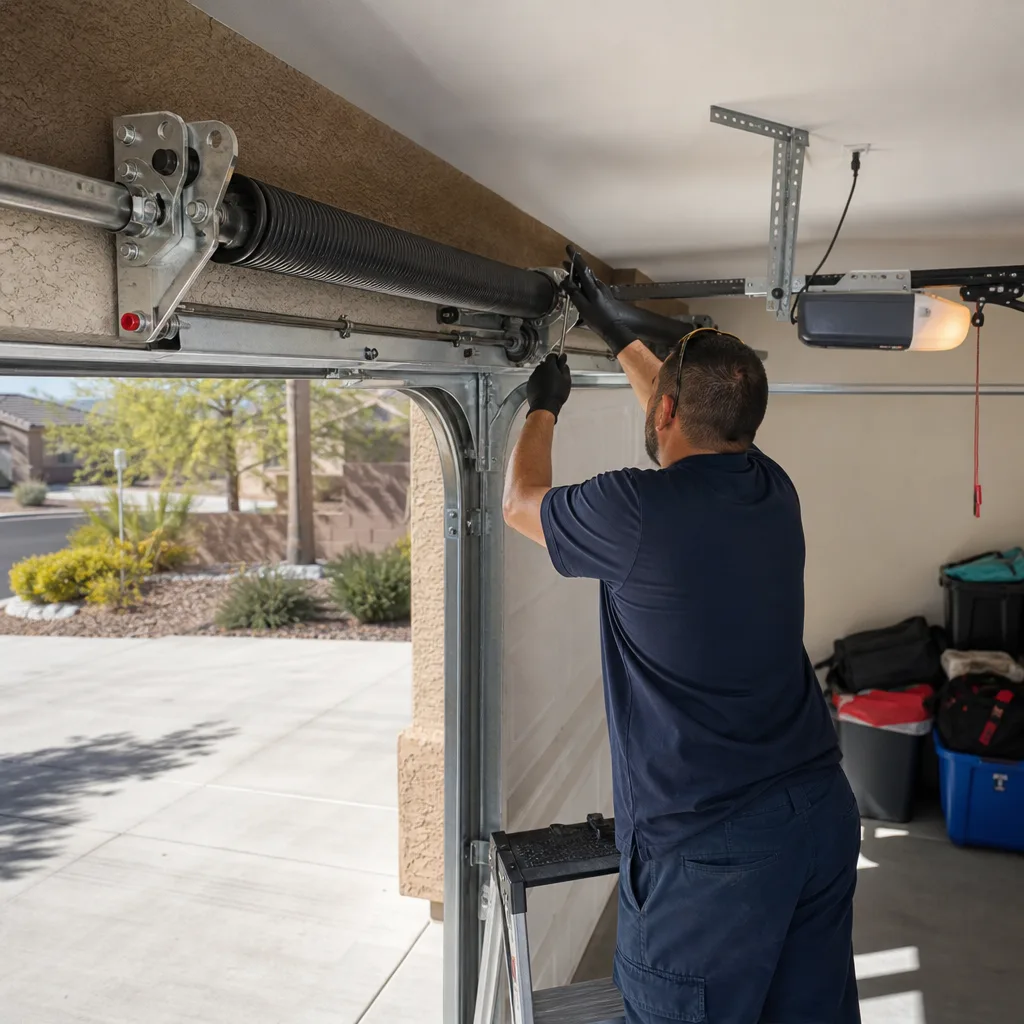
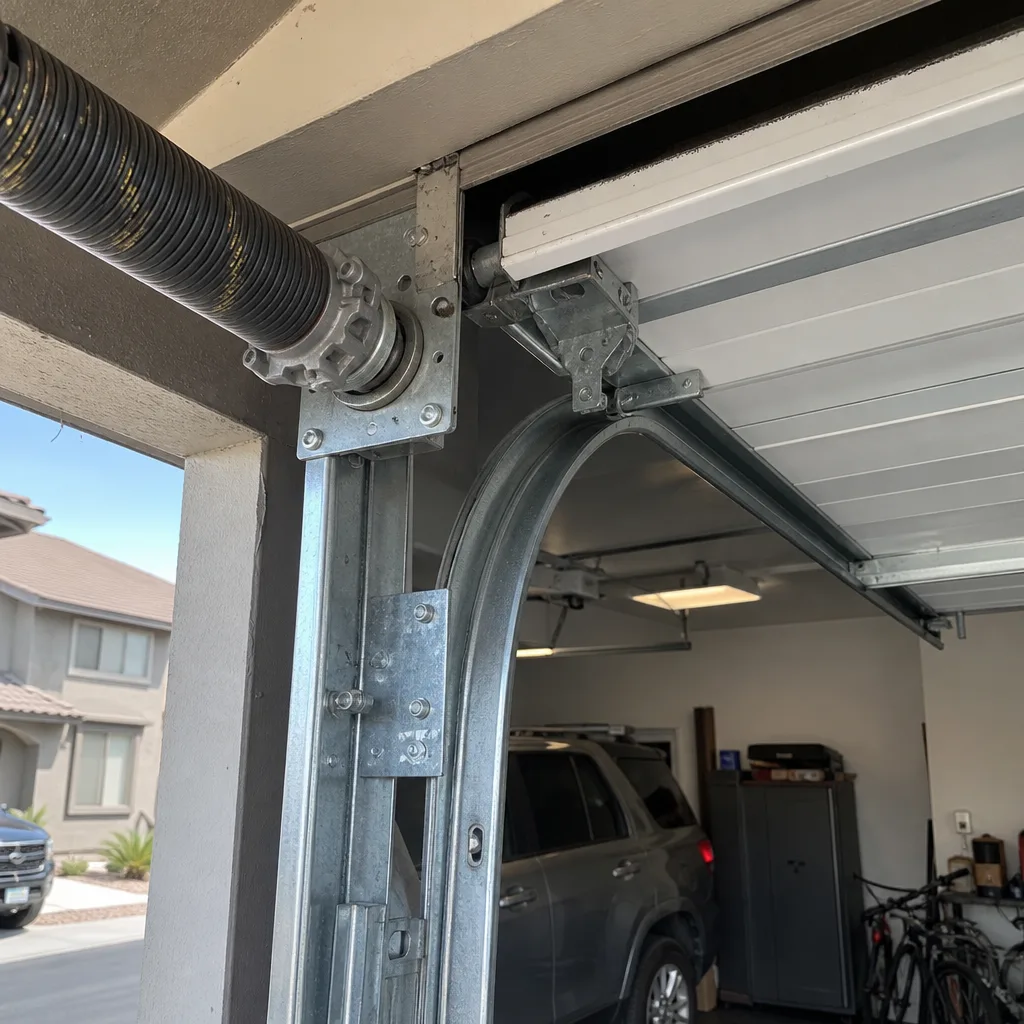
A torsion spring, meaning the heavy coil mounted on a shaft above the door, handles most of the door’s lifting weight. When it snaps, it releases stored energy all at once. When a technician replaces it, they wind the new spring with solid steel winding bars, adding turns until the spring holds the correct amount of tension to balance the door. The tool is specific, the feel is learned over years, and the most common DIY injury is a winding bar kicking back into a hand or face when the spring cone lets go. This is the single most dangerous component in any home, and it is not a job to learn from a video.
Lift Cables
The two steel cables on either side of the door run under the same tension as the springs. When a cable snaps, the free end can whip across the garage. Cable replacement also means working at the bottom bracket, where if the spring tension isn’t released properly, the bracket can break and launch under load. The bottom bracket on many Las Vegas doors has been baked and rust-bleached by years of 110°F summers, and it fails without warning during amateur attempts.
Opener Motor Replacement
Replacing a burned-out opener motor is not just about bolting a new unit to the ceiling. It involves matching the opener’s drive capacity to the door’s weight, setting the travel limits accurately, and calibrating the force settings so the door doesn’t crush an obstruction. A door that doesn’t reverse under load is a lawsuit or a hospital visit waiting to happen. Most garage door repair in Las Vegas work involving openers is straightforward for a technician with the right equipment and dangerous guessing for anyone without it.
Track Replacement or Realignment
The metal track that guides the rollers runs from floor to ceiling and holds the door’s entire path. When a track is bent, the door can bind and fall off its bearings. Realigning or replacing track usually requires a second person, a level, and a working knowledge of door balance. A misaligned track is also often a symptom of a deeper problem: a broken spring that’s putting uneven load on the track to begin with.
Safety Caveat
If you ever find yourself working near a torsion spring, a lift cable, or a bottom bracket, stop. Even “just looking” can be dangerous if the spring is under tension. A trained technician has the winding bars, the cable clamps, and the experience to contain that energy. This is not a place for improvisation.
What Does DIY Actually Cost in Las Vegas?
The DIY-versus-professional question is usually reduced to the price of the part. That number is real, but it’s the smallest piece of the total.
Here’s a task-level breakdown using typical Las Vegas market prices as of early 2026:
| Task | DIY Parts Cost | Professional Cost in Las Vegas | Real DIY Risk |
|---|---|---|---|
| Lubrication | $10 – $15 | $75 – $100 (as part of a tune-up) | Low. Wrong lubricant is the main risk. |
| Bottom weatherstrip | $20 – $30 | $90 – $130 installed | Low. Wrong size is a repeat trip. |
| Photo-eye alignment | $0 (basic tools) | $80 – $120 service call | Low. Worsening it means sensor replacement. |
| Remote programming | $15 – $30 (new remote) | $60 – $90 if you call | Very low. |
| Torsion spring replacement | $50 – $90 for two springs | $150 – $280 parts and labor | High. Injury risk plus door imbalance risk. |
| Lift cable replacement | $20 – $40 for cables | $120 – $200 parts and labor | High. Cable under load is deadly when released. |
| Opener motor replacement | $150 – $250 (opener unit) | $350 – $600 installed with calibration | Moderate to high. Force settings and weight matching matter. |
The hidden DIY cost is what happens when the repair goes wrong. A garage door that won’t open with your car inside it is a problem measured in missed work and missed appointments. A door that won’t close is a security issue in a city where garage break-ins are a known street crime. And a repair that fails after a month because a part was installed slightly wrong means paying a professional anyway, on top of the money already spent on parts.
In our experience, a DIY attempt on the wrong component costs the average Las Vegas homeowner more than the original professional quote about half the time. And that math doesn’t include the injury risk.
For the jobs that do make sense as DIY, the savings are real. Lubrication and weatherstripping alone can save a homeowner $150 a year. The skill is knowing which column a task falls into before you start it.
The Las Vegas Heat Factor: Why Timing Changes the DIY Math
Las Vegas isn’t just hot. It’s hot in a way that changes how materials behave and how people function. A garage door that works perfectly at 9am can be a different machine at 3pm in July.
Garage interiors in Las Vegas routinely exceed 115°F in summer, and the metal components of a door absorb that heat. A torsion spring at 120°F will burn bare skin on contact. Gloves help, but the deeper issue is what heat does to focus. Sweat gets into the eyes. Hands get slick. Judgment gets abbreviated. A homeowner who starts a cable replacement at 2pm on a Saturday in July is working in conditions that would trigger a heat-safety break on any construction site in Clark County.
The practical advice if you’re committed to doing a low-risk DIY task yourself: start at 7am. The garage is ten degrees cooler than it will be at noon, the metal is still touchable, and you’ll be done before the heat sets in. If the job isn’t done by 10am, stop and wait for the next morning. This isn’t convenience advice; it’s injury prevention. Most DIY garage door accidents that end up in a Las Vegas emergency department happen between noon and 6pm on weekends.
Dust is the second factor. Las Vegas dust gets into every moving component and dries out whatever grease is there. For DIY work, this means your maintenance schedule is more aggressive here than it would be in a humid climate. A door in Portland can go two years between lubrication. A door in Summerlin, Centennial Hills, or Anthem should be lubricated every six months, no exceptions.
The professional path accounts for both heat and dust automatically. A technician from a company like Bramwell Garage Doors Las Vegas schedules the work, brings the tools, and is done in a window measured in minutes, not afternoons. The equation is not whether the work can be done at all. It’s whether it can be done safely in the conditions you actually have.
Warranty and Manufacturer Considerations: What Voiding Really Means
Every garage door and opener sold in the United States comes with a warranty that includes language about installation and repair. Homeowners hear the word “void” and picture a manufacturer rejecting a legitimate claim because a screw was turned the wrong direction. The reality is more nuanced.
What Manufacturers Actually Enforce
If you install a Raynor door yourself and the door panel delaminates two years later, the warranty question hinges on whether the failure is related to your installation. Most manufacturers enforce warranty terms when the failure can be traced to an installation error: an unbalanced door, incorrect spring size, a track set out of alignment. If the failure is a manufacturing defect, courts have generally held that manufacturers can’t reject a claim solely because a homeowner did the install unless they can show the install caused the defect. The practical result: a DIY installation rarely voids a warranty outright, but it can make a claim harder to win if the failure looks install-related.
What “Professional Installation” Language Means in Practice
LiftMaster and Chamberlain opener warranties are explicit: the warranty covers parts, but certain components, including the motor and the logic board, carry longer coverage when the unit is installed by a professional. The manufacturer isn’t being punitive. They know that force settings, travel limits, and door balance affect how long a motor lasts. An opener installed too tight or too loose fails sooner, and the manufacturer doesn’t want to pay for that.
The Vegas-Specific Angle
In Las Vegas, the heat itself stresses springs and openers. A professional installation or repair also typically includes a labor warranty from the installing company, something a DIY job can’t have. That labor warranty is worth more here than in milder climates because the failure rate of garage components is higher. At garage door spring repair in Las Vegas, the spring might carry a manufacturer’s warranty on the part, but the Bramwell labor promise is what makes the difference: the 365-Day Done Right Promise means if the repair fails within a year, we come back and fix it at no charge. That commitment is in writing, not just said at the door.
When a DIY Attempt Actually Voids Coverage
There is one case where a homeowner can truly void a door or opener warranty: when the DIY work demonstrably causes the failure. If a Genie opener’s force settings were never calibrated after a DIY install and the door crushes the track, a manufacturer can rightfully deny the claim. The takeaway is not that DIY is always warranty-safe. It’s that the warranty risk tracks the injury risk. The same jobs that are dangerous to do yourself are the ones where a mistake blows up your warranty.
Talking to a Technician After a DIY Attempt
It happens. A homeowner starts what looked like a simple job, realizes halfway through that something is wrong, and needs help. The conversation that follows determines how fast the repair goes and what it costs.
What to Tell the Technician
- Exactly what you touched. “I removed the two winding bars and started to loosen the set screw” is useful. “The door broke” is not. Knowing what was done tells the technician where the danger is and what needs to be re-inspected.
- What you heard and saw. A bang, a snap, a grinding noise, a door that dropped two feet. These sounds point to different failures. A cable snap sounds different from a spring break. The technician can guess the failure before arriving.
- What parts you bought or replaced. If you installed a new spring, say so, and say where you bought it. The spring’s size and cycle rating matter for whether it’s appropriate for your door’s weight.
- Whether the door currently works at all. “It opens but shudders” is a different diagnostic path than “it won’t move.” The technician can bring the right parts.
What to Stop Doing Before You Call
- Do not keep operating the door. If a spring or cable is failing, each cycle adds more stress and can cause a full collapse.
- Do not tape, wire, or clamp a broken component as a “temporary fix.” A clamped torsion spring is still under tension, and the clamp can fail without warning.
- Do not remove the opener from the door and try to lift the door manually if the spring is broken. The manual release exists for power outages, not for bypassing a broken spring.
The technician’s job is not to judge the DIY attempt. A good one wants the straight story because the straight story keeps everyone safe and keeps the visit short. Omitting what you touched doesn’t save money; it raises the diagnostic time and can lead to a misdiagnosis that costs more to correct.
Common Mistakes to Avoid
- Using the wrong tool on a torsion spring. A screwdriver or pry bar in a winding cone is a hand injury waiting to happen. The correct winding bars are solid steel rods sized to seat fully in the cone. Nothing else works, and everything else fails.
- Replacing one spring instead of both. Garage doors with two springs wear both springs at the same rate. Replacing only the broken one leaves a tired spring on the other side, and the door will be unbalanced. The second spring tends to fail within months.
- Lubricating the wrong parts with the wrong product. WD-40 on the rollers dissolves the internal bearing grease and makes things worse in the long run. Garage door lubricant only, on the rollers, hinges, and spring coils.
- Ignoring a slowly deteriorating door until it fails completely. A door that runs rough for weeks and then stops entirely was giving warning signs. A $120 cable fix in week one is a $480 repair in week six when the broken cable pulls the track out of alignment.
- Starting a summer DIY job at 2pm. Las Vegas garage interiors in July are hot enough to cause heat exhaustion in under an hour of physical work. Start at dawn or not at all, and stop before the garage becomes an oven.
- Disconnecting the opener with the spring still under full tension. Pulling the red release handle on a door with a broken spring can send the door slamming down. The release exists for an opener failure, not a spring failure.
- Guessing on spring size. Torsion springs are color-coded and wire-gauge specific. The wrong spring on a heavy door either won’t lift it or will overpower the opener and burn out the motor. If you don’t know the door’s weight, don’t guess at the spring.
When to Call a Professional
Call a professional when the part you’re about to touch is under load. Torsion springs, lift cables, bottom brackets, and anything connected to them are not DIY territory, no matter how many videos you’ve watched.
Call a professional when the door won’t open or won’t close and you cannot see an obvious cause like a loose wire or a misaligned sensor. A door that’s stuck halfway up is a door that can drop.
Call a professional when you’ve already attempted a repair and the door is worse than when you started. The longer a door runs out of alignment, the more damage accumulates in the track, the rollers, and the panels.
Call a professional when the door is under warranty and the repair might affect coverage. A written professional record protects the warranty in a way a DIY receipt does not.
Bramwell Garage Doors Las Vegas offers free estimates in Las Vegas, with a written price delivered before any work starts. The number on the invoice matches the number you approved. Call (725) 210-0201 and a live person answers, day or night.
Frequently Asked Questions
No. Torsion spring replacement is the most dangerous home repair a homeowner can attempt, and the injury rate is high enough that every manufacturer includes a warning label on the spring itself. In Las Vegas, the heat and dust make the job even more unforgiving. A professional spring replacement in Las Vegas typically costs $150 to $280, parts and labor included, and includes a written labor warranty. Call (725) 210-0201 for an exact quote, and know the price before you decide.
For the four safe tasks, meaning lubrication, weatherstripping, photo-eye alignment, and remote programming, DIY saves roughly $150 to $250 a year compared to hiring a technician for each task separately. For everything else, the savings are often negative: a failed DIY attempt on a spring or cable means paying for the parts, then paying a professional to correct the work, often at a higher rate because the repair now includes un-doing what was done wrong. The cost comparison only favors DIY when the task is genuinely low-risk.
A video can teach you the sequence of a repair but cannot teach you the feel of a winding bar under several hundred pounds of spring tension, nor can it tell you when a bottom bracket is about to fail. The most dangerous part of any garage door is invisible until it’s too late, and that’s the realistic limit of video instruction. For safety-related components, watching a video is not a substitute for the hands-on experience a technician brings. For safe maintenance tasks, a video is enough, and those tasks are listed at the top of this guide.
Summer heat is the main one. A Las Vegas garage can hold 115°F or higher for hours, and that heat degrades both physical performance and decision-making. Metal parts become too hot to handle, sweat makes grip unreliable, and heat exhaustion arrives faster than most people anticipate. Dust is the second factor: it enters every moving joint and turns lack of lubrication into a bigger problem than it would be in a wetter climate. The safest window for any DIY garage work here is between 7am and 10am, any month of the year.
Not automatically, but it can be. Manufacturers typically void coverage when a DIY installation or repair directly causes the failure, such as an opener whose force settings were never calibrated after a DIY install and the door crushed its own track. A DIY repair can also make it harder to prove a claim if the failure looks install-related. A professional repair record, with a written warranty, keeps the manufacturer’s warranty easier to enforce. Some opener warranties, including LiftMaster and Chamberlain, cover certain components longer when installation is done by a professional.
Stop operating the door immediately, do not attempt to clamp, tape, or wire the broken component, and call a professional. When the technician arrives, tell them exactly what you touched and what you heard. The most important thing you can do at that point is not make the problem worse. Bramwell Garage Doors Las Vegas offers same-day service for emergency repairs, and a live person answers the phone 24 hours a day. Call (725) 210-0201 and help is on the way, usually within the same day.
The Bottom Line
The DIY-versus-professional decision on a garage door is not a cost question; it’s a risk question. Four tasks, namely lubrication, weatherstripping, photo-eye alignment, and remote programming, are safe for a careful Las Vegas homeowner and genuinely save money. Everything else, meaning springs, cables, tracks, and opener motors, involves stored energy and a failure mode that can put you in an emergency room. In Las Vegas, where heat and dust accelerate wear and make summer afternoons dangerous for physical work, the professional path has even more going for it. A written price, a real arrival window, and a labor warranty in writing are not marketing language; they’re the difference between a repair you forget about and one you regret. For more guides & resources, visit our blog. Marcus Ellery and the team at Bramwell Garage Doors Las Vegas can walk you through the decision for your specific door and give you a written estimate before any work starts. Call (725) 210-0201 today, because the price you hear is the price you’ll pay.
Written by Marcus Ellery, Owner at Bramwell Garage Doors Las Vegas, serving Las Vegas since 2001.
See the difference
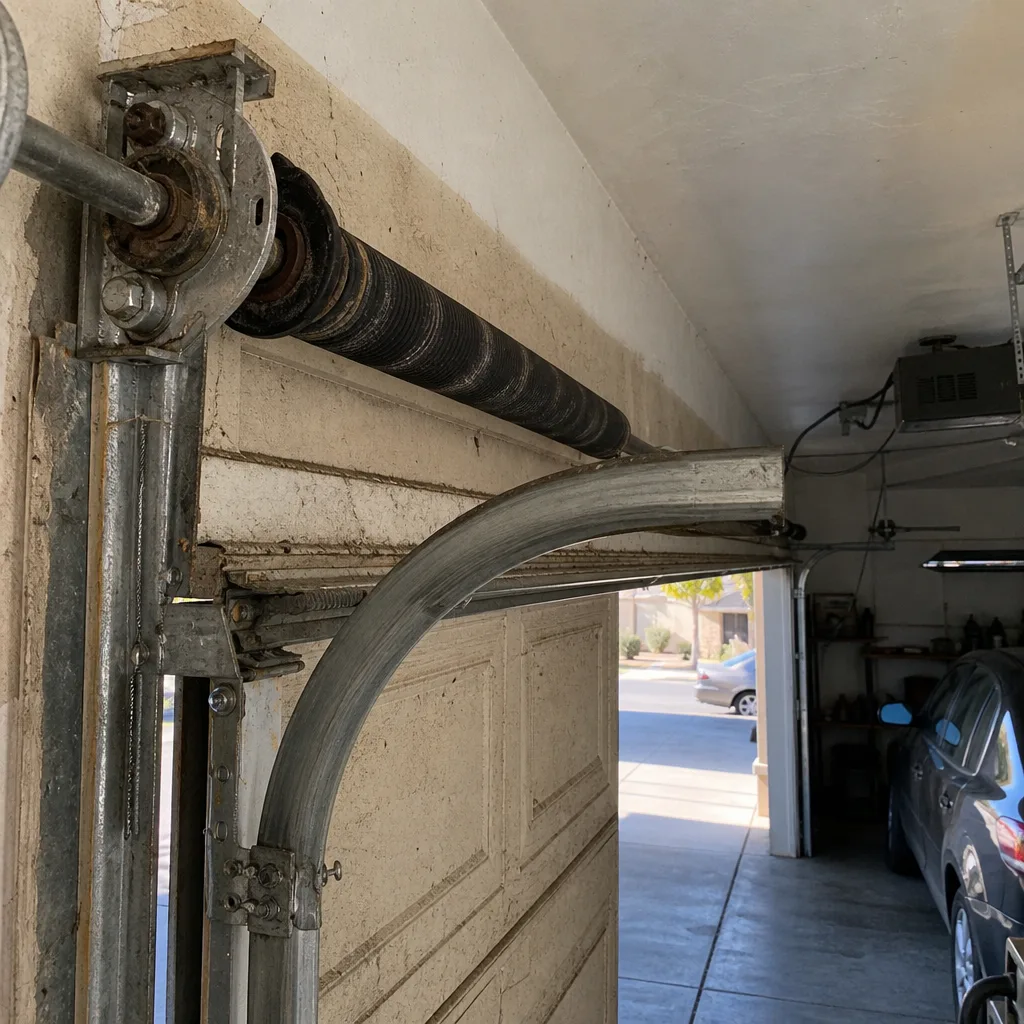 Before
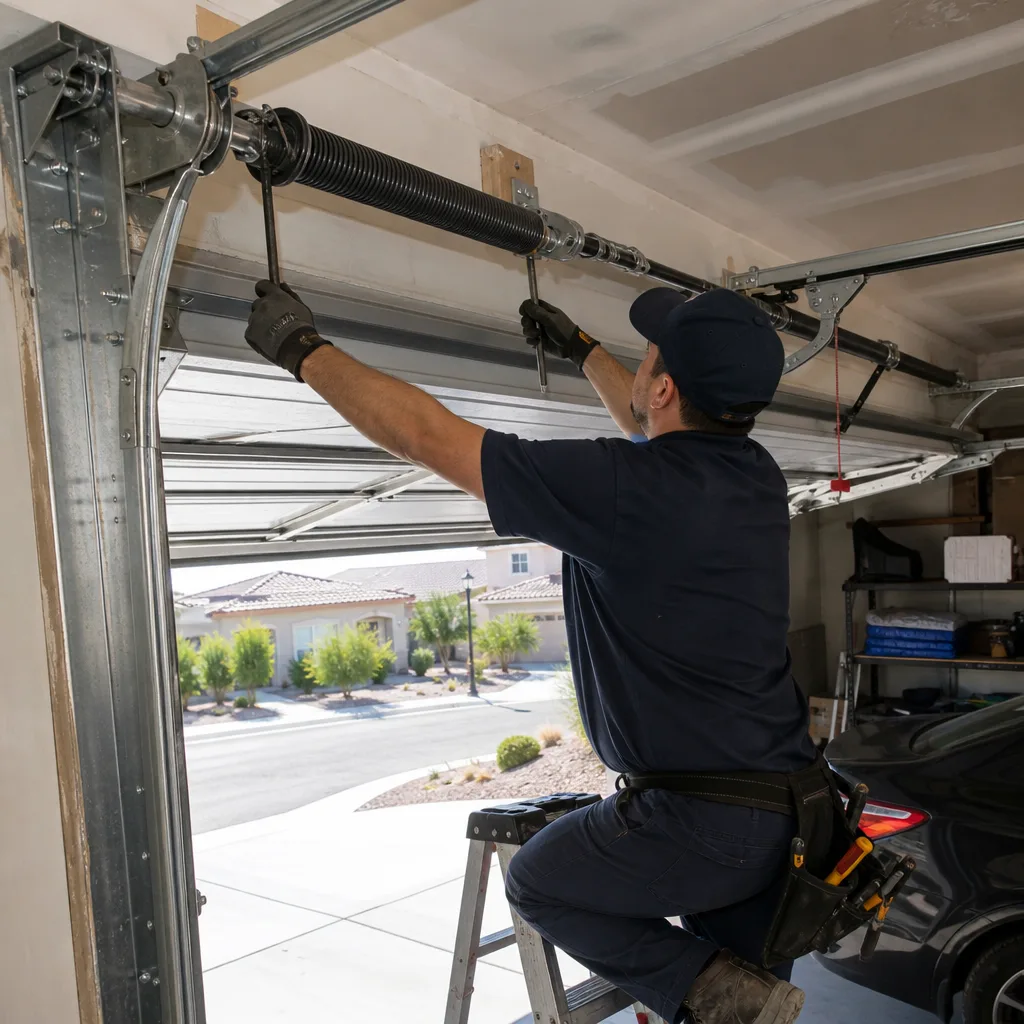 After
After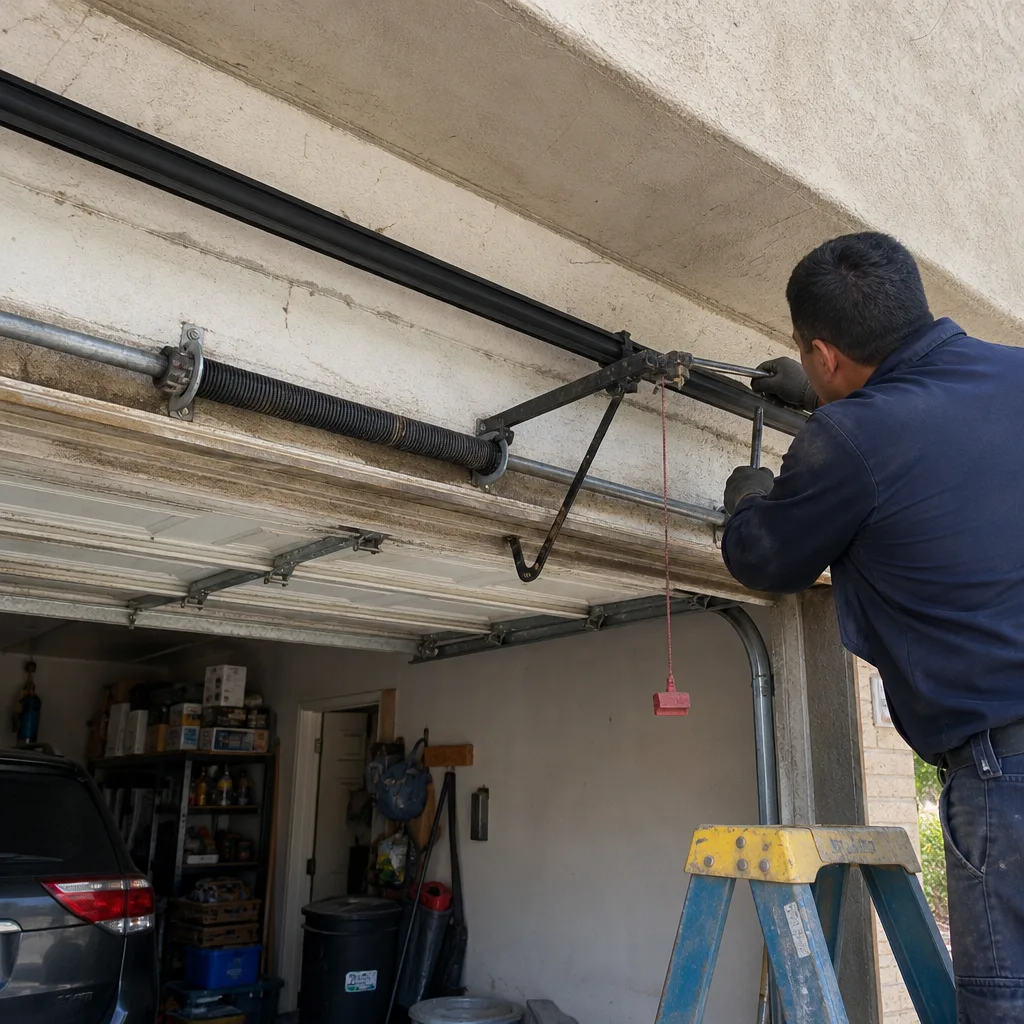 Before
 After
After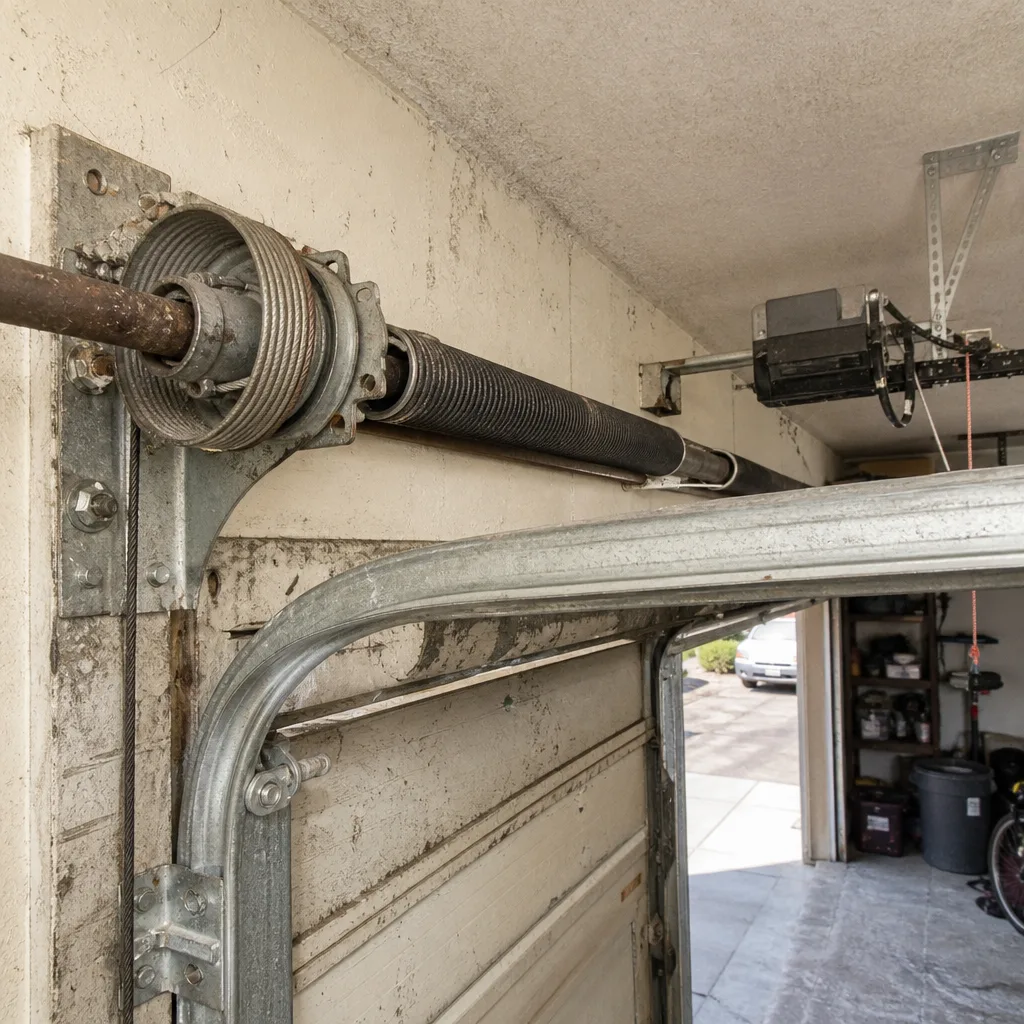 Before
 After
After