
Last updated October 16, 2026
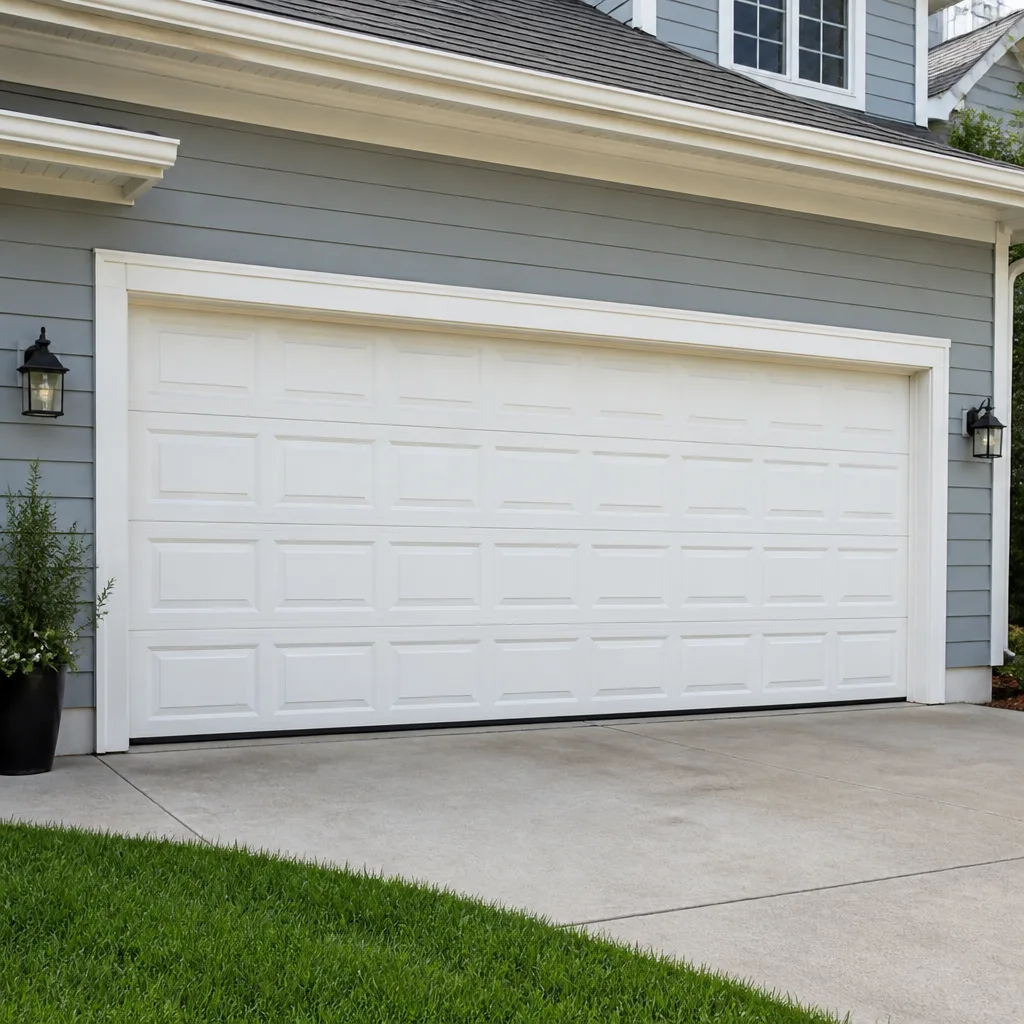 Raised-panel steel
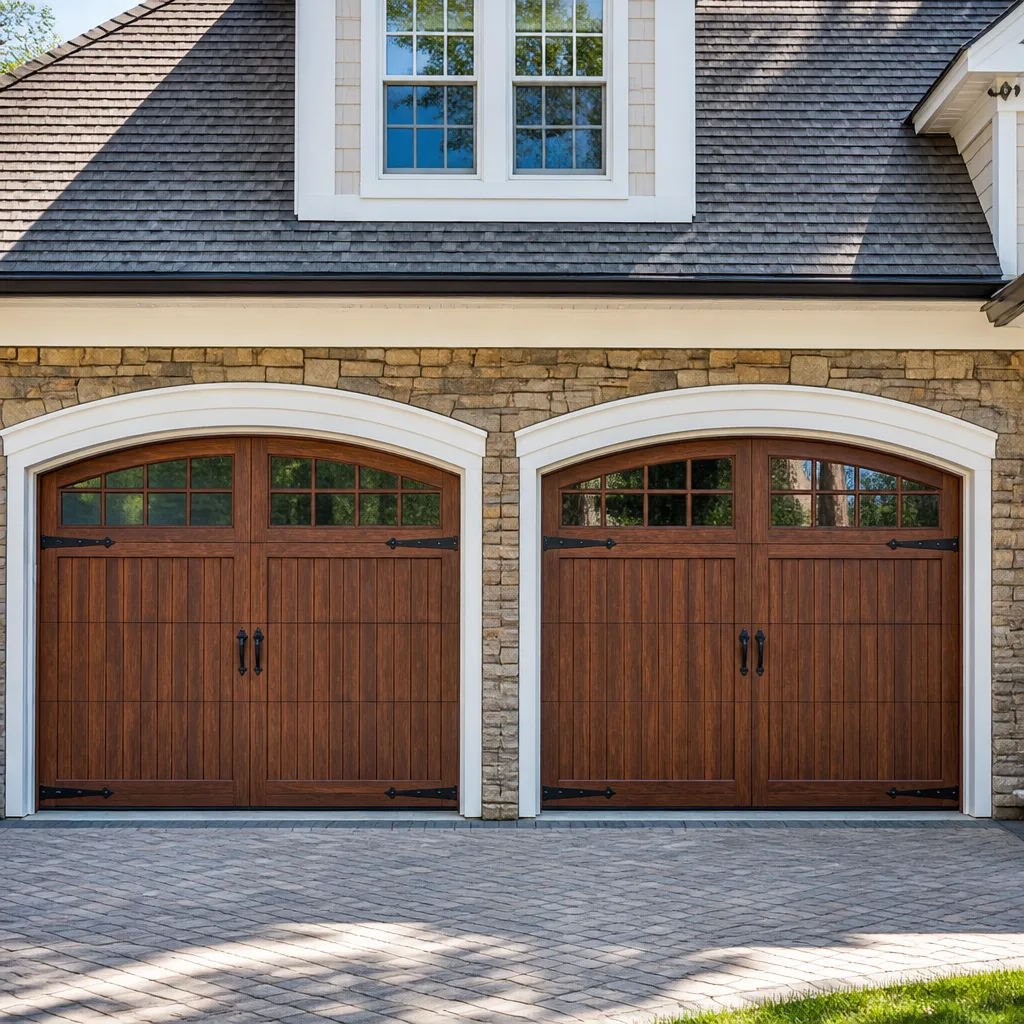 Carriage house
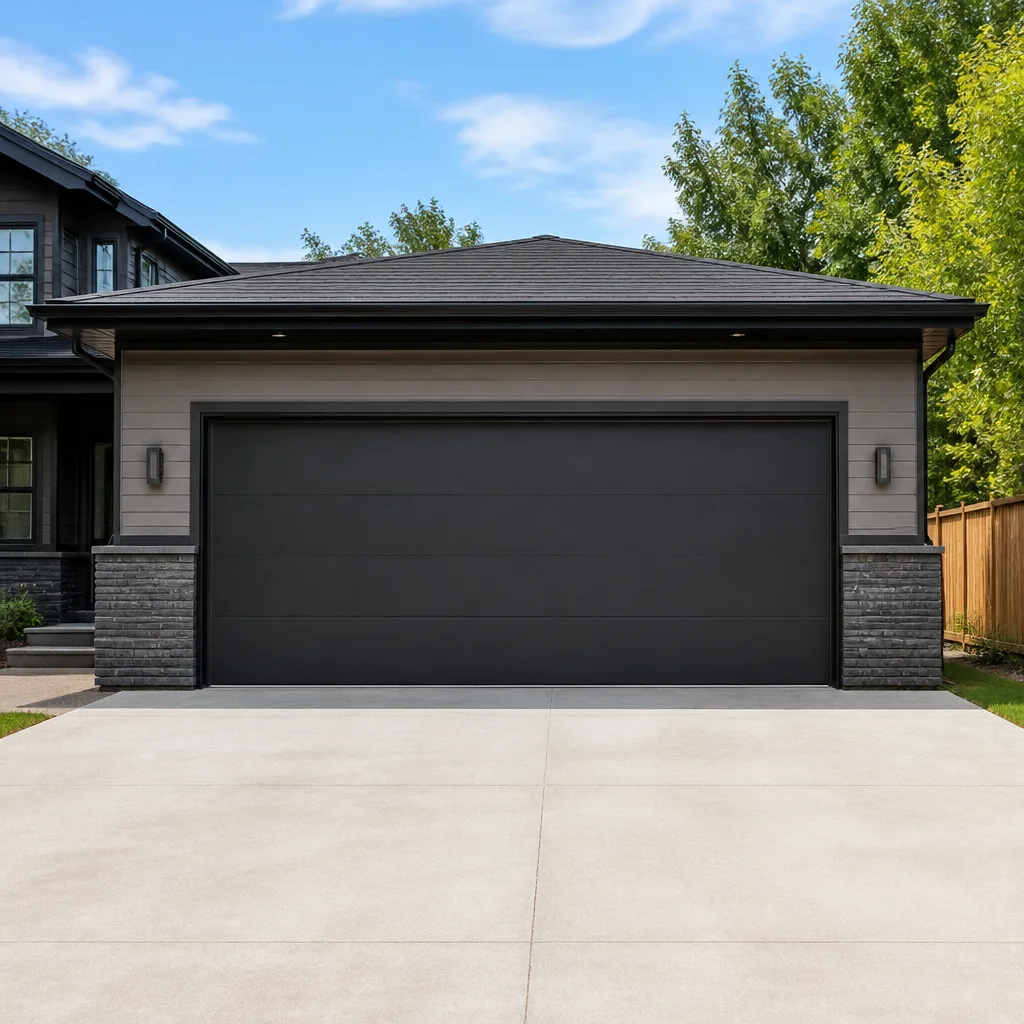 Modern flush
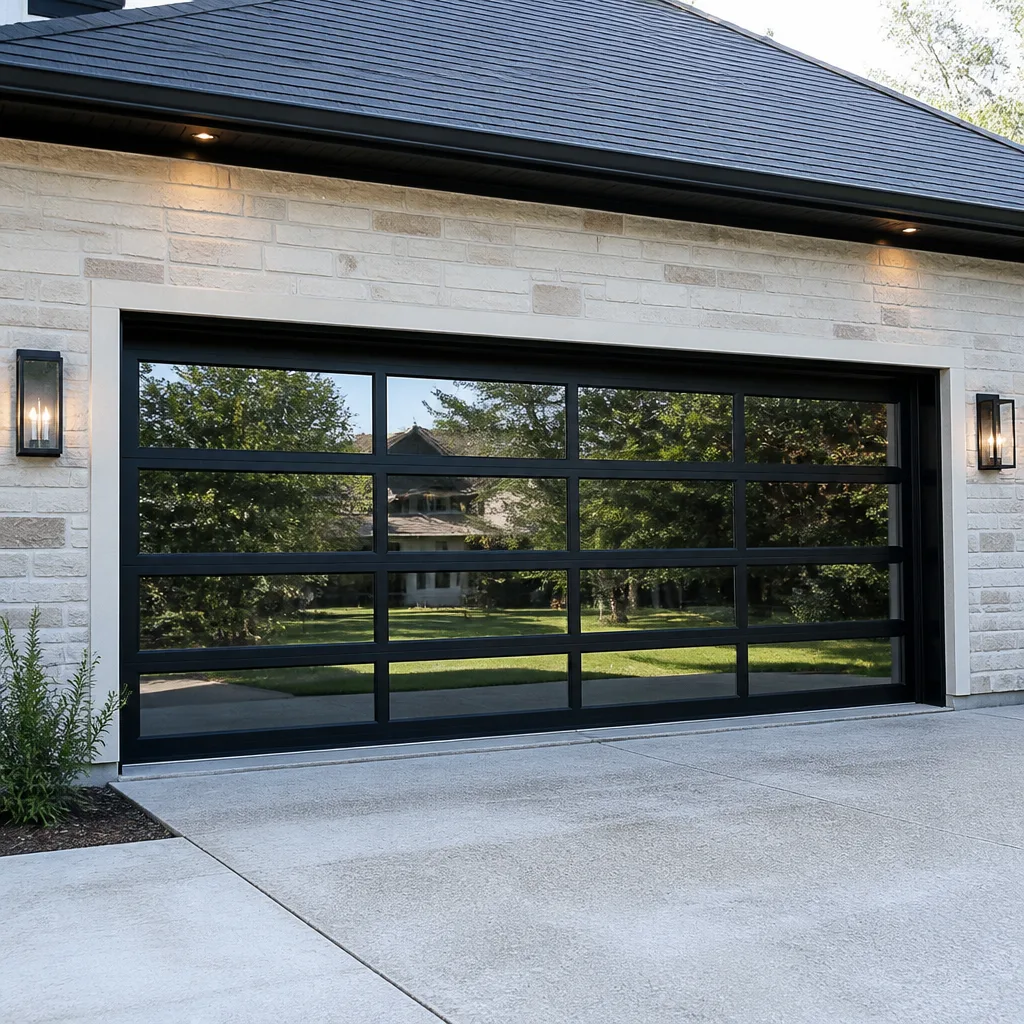 Full-view glass
 LiftMaster openers
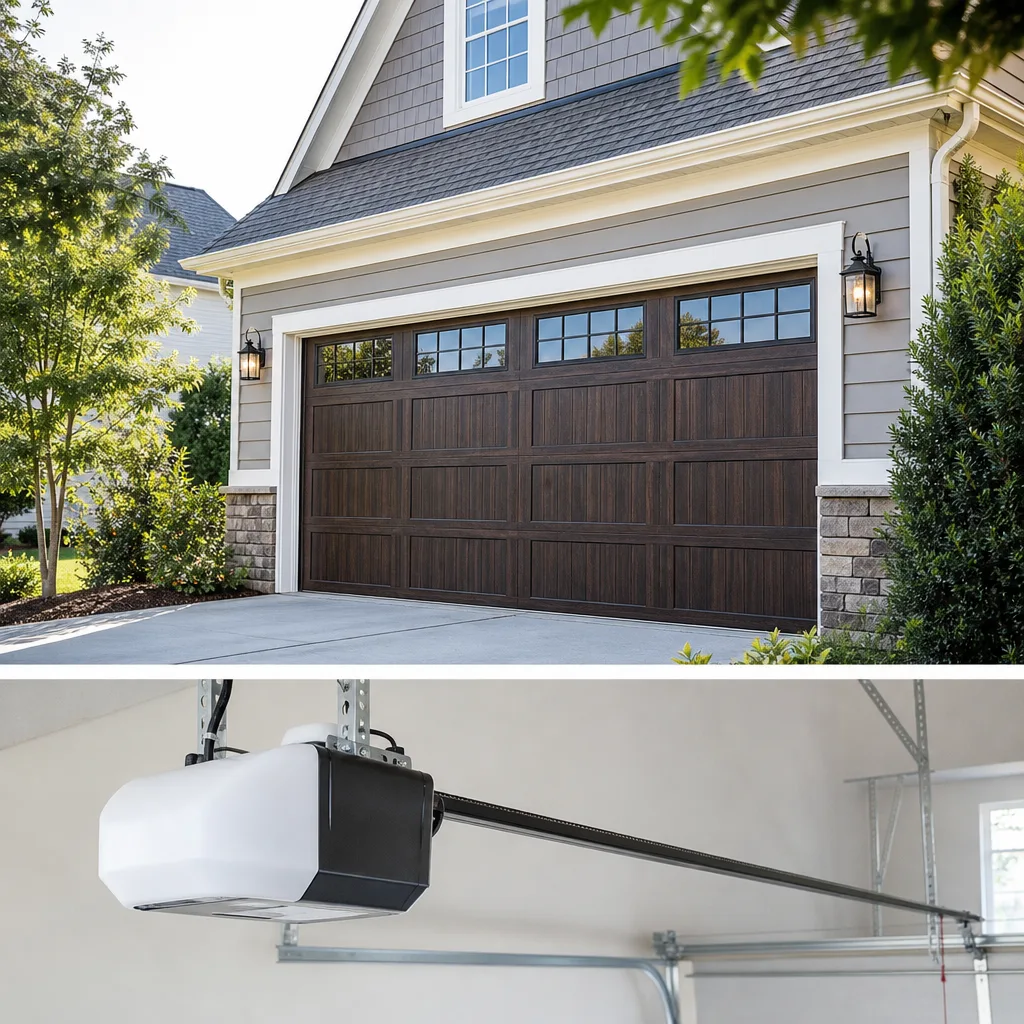 Chamberlain openers
Full 25-point door and opener safety check with every visit - springs, cables, rollers, tracks, and your LiftMaster or Chamberlain opener included
You get a price before we start. It does not change when the truck arrives.
Get your free estimateGarage Door Permits, Codes & Inspections in NV: What You Need to Know
A garage door replacement listed on a home improvement receipt but not on a permit record has stalled real estate closings in Clark County. It happens more than you’d think. The buyer’s lender flags unpermitted work during the title search, and the seller is suddenly scrambling to pull a retroactive permit weeks before closing. This guide explains exactly when a garage door project in Las Vegas needs a permit, what the inspection covers, what it costs, and how to avoid a paperwork mess that follows the house to resale. For garage door warning signs every Las Vegas homeowner should watch for, see our companion guide.
Styles & brands we work with
Quick Answer
In Clark County, a full garage door replacement generally requires a building permit because the door is part of the home’s structural envelope and fire separation. A simple spring repair, panel replacement, or opener swap does not. A homeowner can pull their own permit for door replacement, but they take on liability for code compliance; a licensed contractor pulling the permit carries that responsibility.
Table of Contents
- When a Garage Door Project Needs a Permit vs. When It’s a Repair
- The Clark County Code Sections That Govern Garage Doors
- How the Clark County Permit Process Actually Works
- What a Fire-Rated Door Means for an Attached Garage
- The Resale Risk of Unpermitted Garage Door Work
- Who Pulls the Permit: Homeowner vs. Contractor
- Realistic Costs for Permits and Inspections in Las Vegas
- Common Mistakes to Avoid
- When to Call a Professional
- Frequently Asked Questions
- The Bottom Line
When a Garage Door Project Needs a Permit vs. When It’s a Repair
The rule of thumb in Clark County: if you are swapping the entire door assembly, you need a permit. If you are fixing a component, you don’t. The distinction comes down to whether the work alters the building envelope or just restores an existing component to working order.
A full door replacement means removing the old door, tracks, and sometimes the framing, then installing a new door assembly. Because the garage door is part of the home’s exterior wall system and, in attached garages, part of the fire separation between the garage and living space, the county treats it as construction work requiring review and inspection.
Here’s the breakdown for Las Vegas homeowners:
- Requires a permit: Full garage door replacement, converting a carport to a garage, cutting a new garage door opening, widening an existing opening, replacing the door when it’s part of a larger remodel.
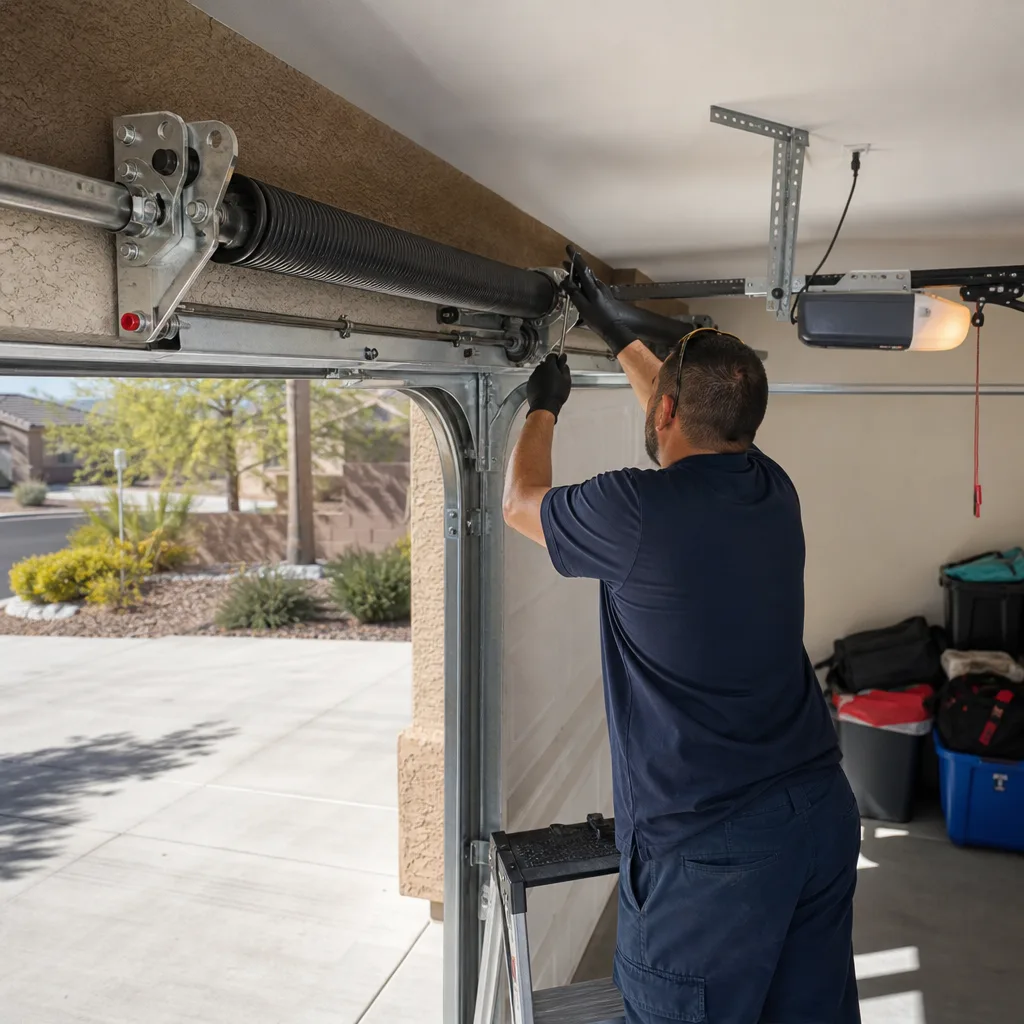
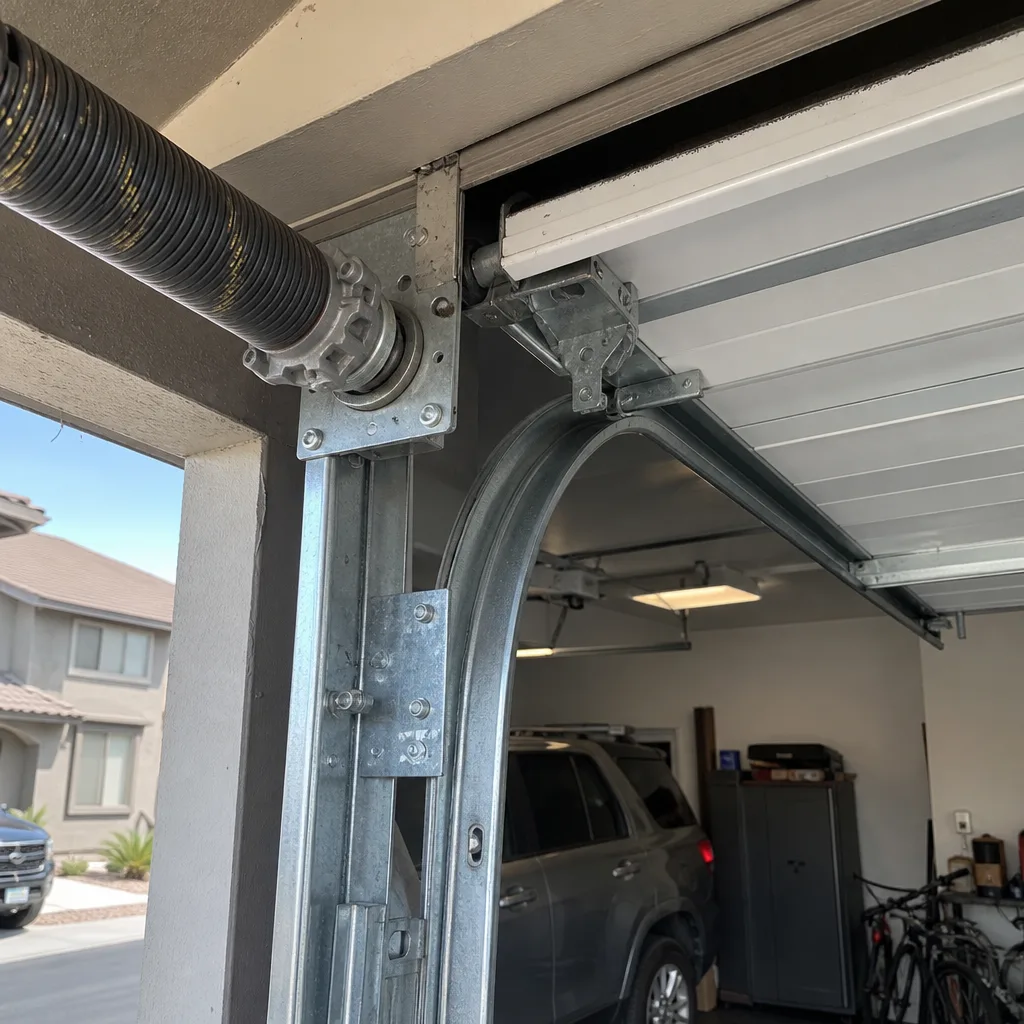
- Does not require a permit: Torsion spring replacement (the heavy coil mounted above the door that does most of the lifting), cable replacement, roller replacement, track realignment, opener motor replacement, panel replacement that doesn’t change the door’s structural rating, sensor repair, weather seal replacement.
One nuance that catches homeowners off guard: replacing just the door panels on an existing track system is usually classified as a repair. But if the panels you’re installing have a different weight rating, insulation value, or fire rating than the originals, the county may classify it as an alteration. When in doubt, call the Clark County Building Department’s permit desk before the work starts. A five-minute phone call beats an open permit issue at closing.
In our experience across Las Vegas neighborhoods from Summerlin to Henderson, the most common permit trigger is a full door swap after storm damage or a failed spring has damaged the door beyond repair. Homeowners are often surprised because the project feels like a simple swap, but the county sees a structural component of the home’s exterior.
The Clark County Code Sections That Govern Garage Doors
Clark County adopts the International Residential Code (IRC) with local amendments. The two sections that matter most for garage doors are in the 2018 IRC, which is the version currently enforced in unincorporated Clark County, while the City of Las Vegas and Henderson may adopt newer editions with local amendments. Always check with the jurisdiction where the property sits.
The key sections:
- IRC Section R105.1: Requires a permit for any work that involves the removal or addition of any wall, partition, or portion thereof. A garage door opening is part of the exterior wall system, so a full replacement falls under this.
- IRC Section R302.5: Governs the separation between a dwelling unit and a private garage. It requires the wall and any door between an attached garage and living space to be a minimum 1/2-inch gypsum board with a fire rating. The garage vehicle door itself isn’t fire-rated under this section, but the pedestrian door between the house and garage is.
- IRC Section R309: Sets the structural requirements for garage floors, walls, and door openings, including wind load requirements for door assemblies.
The wind load piece matters in Las Vegas more than most homeowners realize. Las Vegas sits in a designated wind zone that requires garage doors to withstand specific uplift and lateral pressures. A door installed without wind load documentation may not meet code even if it looks fine from the curb.
Clark County also enforces energy code provisions that affect garage doors in conditioned spaces, though most Las Vegas garages are unconditioned, so this rarely applies. Still, if your garage has a mini-split or is otherwise conditioned, the door’s insulation value enters the equation.
When we install doors in Las Vegas, the permit documentation includes the manufacturer’s wind load certification and the door’s structural specifications. That paperwork stays on file with the county, which is exactly what a title company looks for years later.
How the Clark County Permit Process Actually Works
For a straightforward garage door replacement, the Clark County permit process is faster than most homeowners expect. Here’s the realistic timeline:
- Application (same day): The contractor or homeowner applies online through the Clark County Accela portal. The application includes the property address, the scope of work, the door manufacturer’s specifications, and the wind load documentation.
- Plan review (1 to 3 business days): For a simple door swap with approved documentation, review is usually quick. If the manufacturer’s specs are incomplete or the door is unusual, it can take longer.
- Permit issuance (1 to 2 days after approval): Once approved, the permit is issued and work can begin. The permit fee is typically based on the job valuation, but a standard residential door replacement usually runs $75 to $180 in fees.
- Inspection (scheduled after installation): The installer calls in the inspection, usually the same day or next day. Clark County inspectors typically arrive within 1 to 3 business days.
- Final approval (same day as inspection): The inspector verifies the door’s structural installation, wind load compliance, and that the safety reversing mechanism functions. Approval closes the permit.
The entire process for a typical Las Vegas garage door replacement runs 5 to 10 business days from application to final approval. The work itself usually happens in one afternoon.
One detail homeowners often miss: the permit must remain open until final inspection approval. If you sell the house with an open permit, the title company will flag it just like an unpermitted job. Closing the permit is part of the contractor’s responsibility when they pull it, but if you pull your own permit, closing it is on you.
What a Fire-Rated Door Means for an Attached Garage
The fire separation between an attached garage and the living space is one of the most overlooked code requirements in residential construction, and a garage door replacement can inadvertently violate it.
Here’s what the code actually requires: the wall between an attached garage and the house must be covered with a minimum 1/2-inch gypsum board on the garage side, and any door that connects the garage directly to the living space must be a 20-minute fire-rated door with a self-closing hinge. The garage vehicle door, the big door your car drives through, isn’t fire-rated under the IRC. It’s a structural and wind load component.
So where does a garage door replacement cause a problem? Most commonly, it’s the framing around the door. If the installer removes or damages the gypsum board around the door opening during the replacement, the fire separation is compromised. An inspector will catch this, and a home inspector during a sale will too.
There’s also the pedestrian door scenario. If you’re replacing the garage vehicle door and decide to also swap the side pedestrian door, that replacement door must meet the 20-minute fire rating with a self-closer. A standard exterior door from a home center doesn’t meet this. We’ve seen homeowners pick up a nice steel door and install it themselves, then fail inspection because it lacks the fire label.
In Las Vegas, where attached garages are the norm in nearly every subdivision from Aliante to Southern Highlands, this fire separation requirement applies to the vast majority of homes. If your garage shares a wall with the house, the rating matters.
The Resale Risk of Unpermitted Garage Door Work
Title companies in Clark County have gotten significantly better at identifying unpermitted work over the last decade. The process works like this: the title company pulls the county’s permit history for the property as part of the title search. If the seller’s disclosure mentions a garage door replacement or a home improvement receipt shows one, but no corresponding permit exists, the buyer’s lender may flag it.
The result is a stalled closing. The seller has two options at that point: pull a retroactive permit, which requires the work to be inspected as if it were new, or negotiate a credit to the buyer to cover the cost of remediation. Neither is cheap.
What does remediation cost after the fact? In Las Vegas, a retroactive permit for a garage door replacement typically involves:
- Permit fees plus penalty: Clark County often charges a penalty multiplier for after-the-fact permits. Expect $150 to $400 total.
- Inspection exposure: If the original installation doesn’t meet current code, the inspector will require corrections. A door without wind load documentation may need to be replaced entirely.
- Time cost: Closing gets pushed back by days or weeks while the permit is processed and inspected.
We’ve talked to Las Vegas sellers who lost buyers over this exact issue. The buyer’s lender wouldn’t fund, the seller couldn’t close the permit fast enough, and the deal fell through. A $120 permit at the time of installation would have prevented the entire problem. For how to hire a garage door contractor in Las Vegas, follow our step-by-step guide to avoid these pitfalls.
When you work with a contractor who pulls the permit as part of the job, that permit record stays attached to the property address in the county system. Five years later, when you sell, the title search shows a closed permit and the transaction moves forward without a hitch.
Who Pulls the Permit: Homeowner vs. Contractor
In Clark County, a homeowner can pull their own permit for a garage door replacement on a property they own and occupy. The contractor can also pull the permit. The question is which arrangement protects you more.
When the contractor pulls the permit, the contractor’s license is attached to the work. The county holds the contractor responsible for code compliance, for scheduling and passing the inspection, and for closing the permit. If something fails inspection, the contractor has to fix it.
When you pull the permit as a homeowner, you become the responsible party. The county still requires the door to meet code, but the liability for a failed inspection, an open permit, or a non-compliant installation lands on you. This is fine if you’re an experienced DIYer installing the door yourself. It’s a bad deal if a contractor is doing the work and asking you to pull the permit.
A contractor who offers to skip the permit “to save you money” is offering a false economy. The permit fee is typically under $200. The downside risk at resale is a stalled closing and a four-figure remediation bill. The math doesn’t work.
There’s a second reason a contractor might suggest skipping the permit: the contractor isn’t licensed, or the door they’re installing doesn’t have proper wind load documentation. Either way, you’re inheriting risk. Licensed contractors in Nevada are required to pull permits when the work requires them. A contractor suggesting otherwise is asking you to break county code.
Realistic Costs for Permits and Inspections in Las Vegas
Here’s a straightforward answer to the question homeowners ask most: what does the permit actually cost?
| Item | Typical Cost in Clark County |
|---|---|
| Standard garage door replacement permit | $75 to $180 |
| Plan review fee (if applicable) | Included in most standard door permits |
| Inspection fee | Included in permit fee |
| After-the-fact permit penalty | $150 to $400 total |
| Wind load documentation (if door lacks it) | $50 to $150 from manufacturer |
| Full door replacement (parts and labor, Las Vegas market) | $850 to $1,800 for a standard single door; $1,400 to $3,200 for a double door |
The permit fee is a rounding error compared to the door itself. What you’re paying for isn’t the county’s processing time. You’re paying for the paper trail that protects the value of the house.
If you’re budgeting for a garage door installation in Las Vegas, add $150 to the project for the permit and consider it the cheapest insurance on the job.
For repairs that don’t need a permit, like a broken spring, the math is simpler. Most torsion spring replacements in Las Vegas run $150 to $280, parts and labor included, and no permit is required. If you’re dealing with a garage door spring repair in Las Vegas, you can schedule the work without touching the permitting system.
Our approach at Bramwell Garage Doors Las Vegas is to include the permit fee in the written quote when the job requires one. The price you see before the work starts is the price on the invoice at the end. No surprises at the permit counter, no surprises at the door.
Common Mistakes to Avoid
- Assuming all door work is “just a repair.” A spring swap is a repair. A full door replacement is construction. If you’re not sure, ask the county before the work starts, not after.
- Letting a contractor talk you out of a permit. The contractor doesn’t bear the resale risk. You do. A licensed contractor who pulls permits as standard practice won’t ask you to skip one.
- Pulling your own permit for a contractor’s work. This shifts liability to you. If the job fails inspection, the county comes after you, not the contractor.
- Leaving the permit open. An open permit is nearly as bad as no permit at resale. The final inspection approval is what closes the loop.
- Ignoring wind load requirements. Las Vegas is in a wind zone. A door without proper wind load documentation fails inspection and gets flagged at resale.
- Replacing a pedestrian door with a non-fire-rated model. The door between your garage and house needs a 20-minute fire rating and a self-closer. A standard exterior door doesn’t meet code.
- Skimping on documentation. Keep the permit number, the inspection approval, and the manufacturer’s specs with your home records. When you sell, that folder is worth money.
When to Call a Professional
Some garage door work is genuinely risky to attempt yourself. Torsion springs are under extreme tension and can cause serious injury if mishandled. A trained technician has the tools and the reps to release that tension safely. If the spring has snapped or the door is off its track, call someone who does this daily.
Permit work is another category where professional help pays for itself. A licensed contractor who pulls the permit, schedules the inspection, and stands behind the work removes the paperwork risk from your plate entirely. If you’re planning a full door replacement in Las Vegas, work with a company that includes the permit in the quote.
Bramwell Garage Doors Las Vegas offers free estimates for garage door replacement, garage door repair in Las Vegas, and spring work. Every job gets a written price before work starts, and every repair carries the 365-Day Done Right Promise in writing. Call (725) 210-0201 to schedule.
Frequently Asked Questions
Yes, for a full door replacement. Clark County requires a building permit because the door is part of the home’s structural envelope and wind load system. A spring replacement, panel swap on existing tracks, or opener replacement does not need a permit. Call the Clark County Building Department if you’re unsure about your specific project.
A standard residential garage door replacement permit runs $75 to $180 in Clark County, depending on the job valuation. The inspection is included in that fee. If the work was done without a permit and you’re applying after the fact, expect a penalty that pushes the total to $150 to $400.
Yes. Clark County allows a homeowner to pull a permit for work on a property they own and occupy. However, the homeowner then bears responsibility for code compliance and closing the permit. When a licensed contractor pulls the permit, the contractor’s license is attached to the work.
Las Vegas sits in a designated wind zone under the IRC, meaning garage doors must be rated for specific wind pressures based on the home’s location and exposure. The door manufacturer provides wind load documentation, which is submitted with the permit application and verified at inspection.
It can. Title companies pull the county’s permit history during escrow. If the seller’s disclosure or improvement receipts show a door replacement with no matching permit, the buyer’s lender may require remediation before funding. This has stalled Clark County closings.
Yes. When a job requires a permit, we include the permit fee in the written quote and handle the application, scheduling, and inspection closeout. The price quoted before work starts is the price on the invoice. Call (725) 210-0201 for a free estimate and we’ll tell you exactly what your project needs.
The Bottom Line
Garage door permits in Las Vegas are cheap, fast, and protect the value of your house. The permit fee for a full replacement runs under $200, the process takes about a week, and the paper trail prevents a stalled closing when you sell. The mistakes to avoid are simple: don’t skip the permit on a full door replacement, don’t let a contractor talk you out of one, and don’t leave a permit open after the work is done. When the job is permitted, inspected, and closed, the door is a selling point instead of a liability. Browse our more guides & resources for Las Vegas homeowners.
Written by Marcus Ellery, Owner at Bramwell Garage Doors Las Vegas, serving Las Vegas since 2001.
See the difference
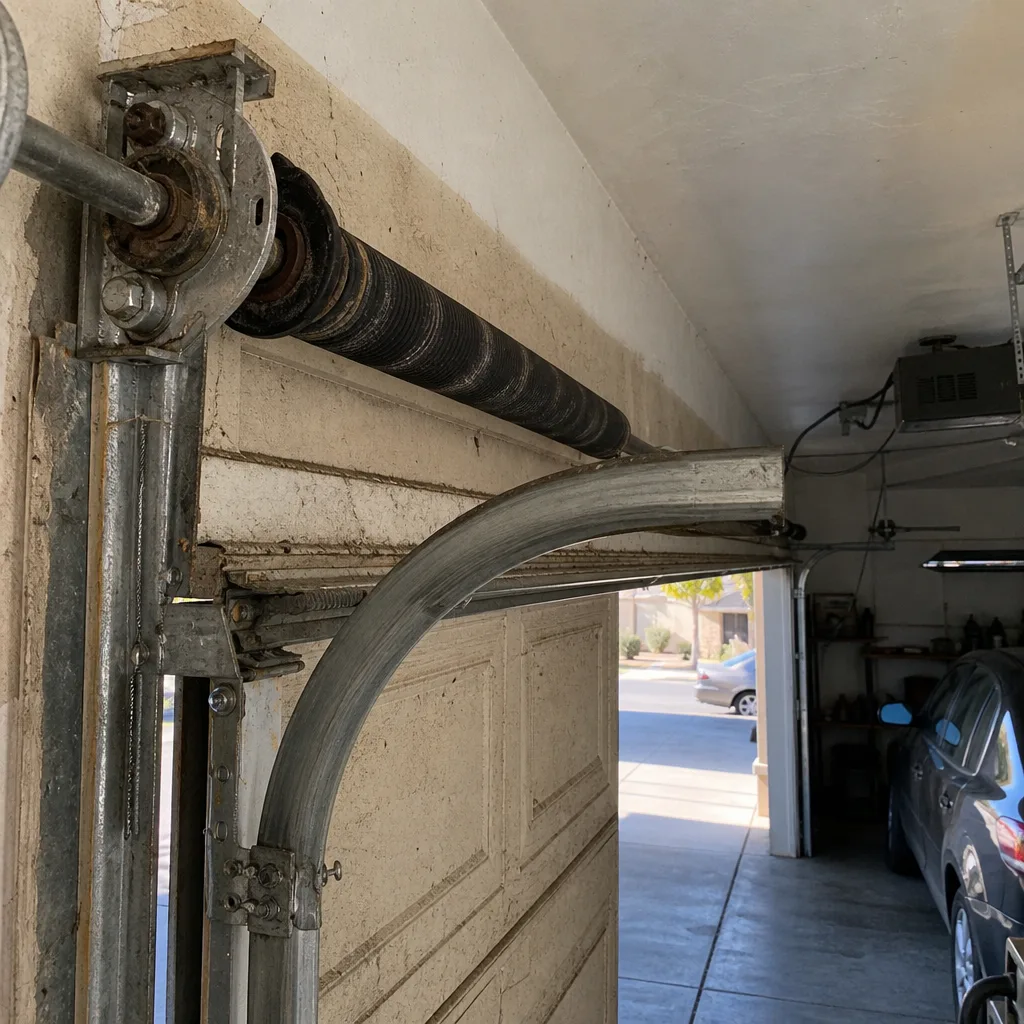 Before
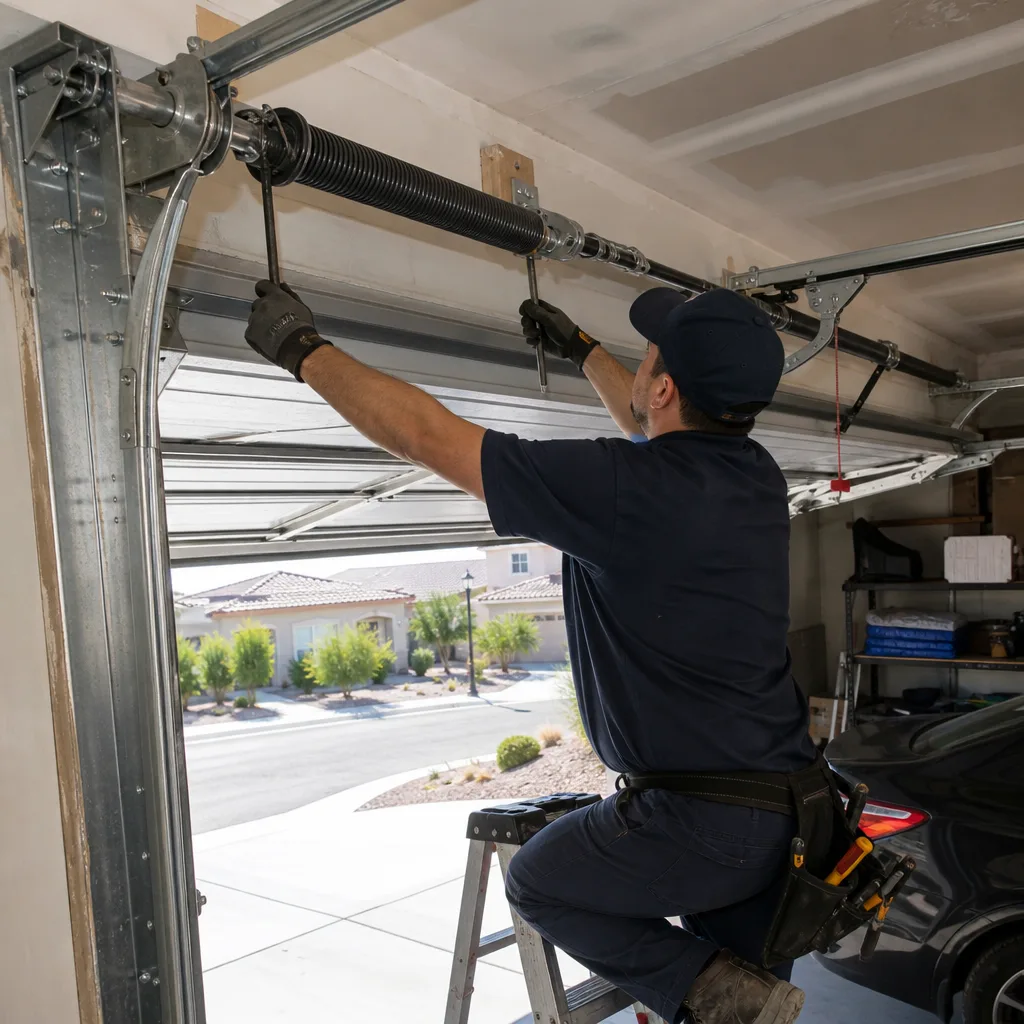 After
After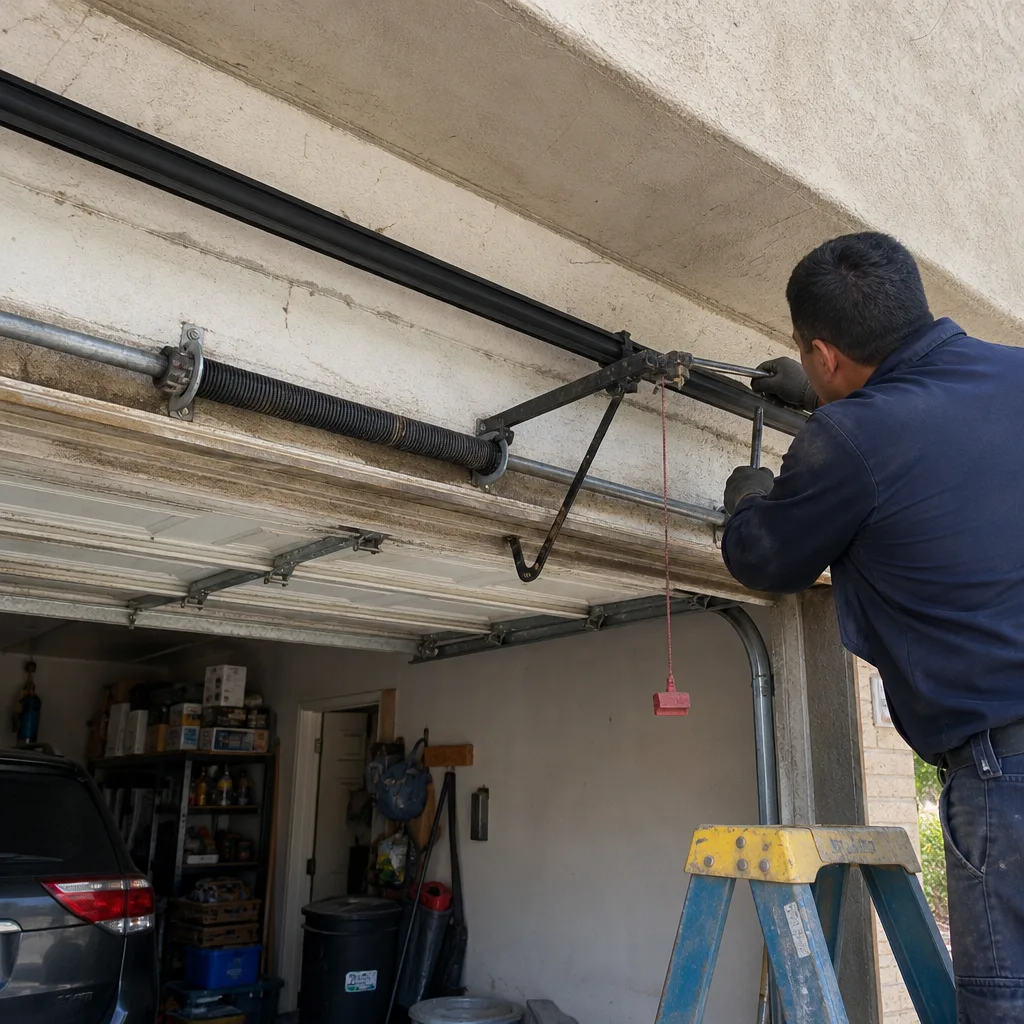 Before
 After
After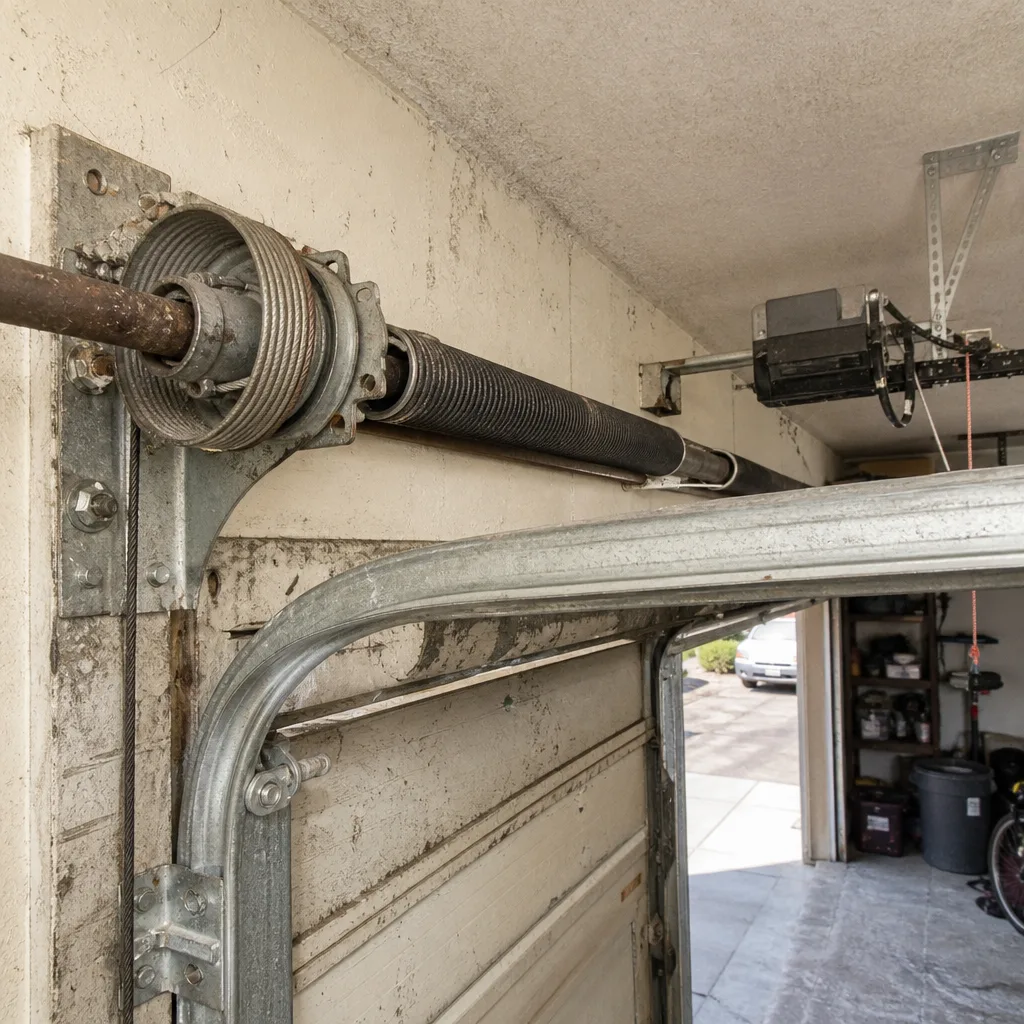 Before
 After
After